Top Mistakes to Avoid After Home Renovation in East Brunswick
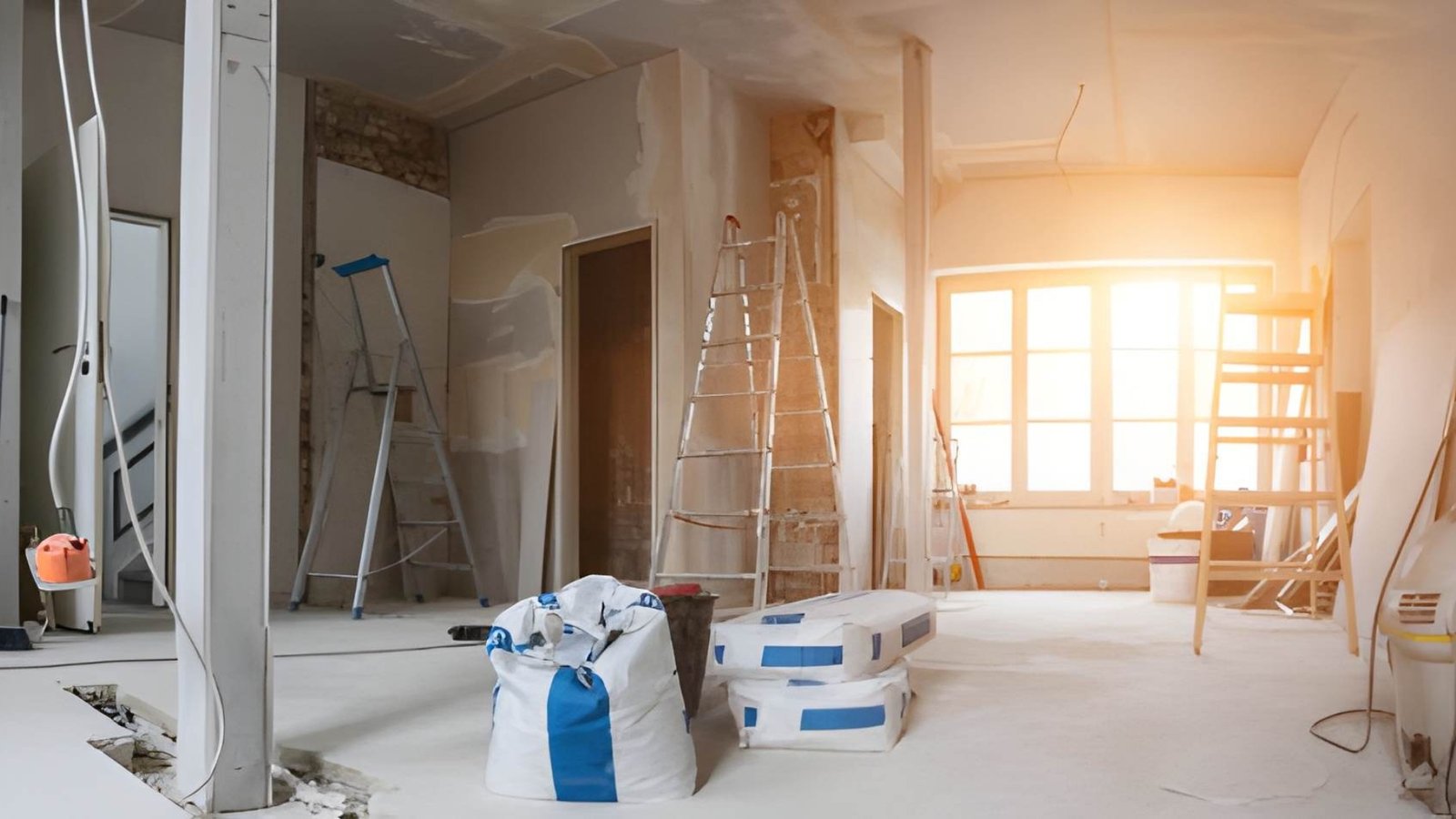
Completing a home renovation in East Brunswick is an exciting milestone, but the cleanup phase is where many homeowners make critical errors that can damage their new installations, create health hazards, or waste valuable time and money. Construction dust, debris, and residue require specialized attention that differs significantly from routine housekeeping. Whether you’ve renovated a single room or transformed your entire East Brunswick home, understanding common post-renovation mistakes helps you avoid costly damage and ensures your newly remodeled space is truly ready to enjoy. This guide identifies the most frequent errors homeowners make and provides practical solutions to protect your renovation investment.
Quick Answer: What Are the Most Common Post-Renovation Mistakes?
Homeowners frequently make these critical errors after construction:
- Starting too soon: Beginning cleanup before construction is truly complete or materials have cured
- Using wrong cleaning products: Applying harsh chemicals that damage new finishes, countertops, or flooring
- Inadequate dust removal: Surface cleaning that leaves embedded particles throughout the home
- Skipping HVAC maintenance: Failing to replace filters or clean ducts filled with construction dust
- Rushing the process: Attempting to complete thorough post-construction cleaning in a single day
- Ignoring hidden areas: Overlooking cabinets, closets, ductwork, and other spaces where dust accumulates
Avoiding these mistakes prevents damage costing thousands of dollars and ensures your East Brunswick home is safe, clean, and ready for occupancy.
Mistake #1: Beginning Cleanup Too Early
Why Timing Matters
One of the most common and problematic mistakes is starting post-construction cleaning before the renovation is genuinely complete:
Uncured materials: Fresh paint needs 24-48 hours to dry fully. Grout and caulk require several days to cure. Flooring adhesives can take up to a week to set completely. Cleaning these materials prematurely can cause smearing, discoloration, or permanent damage.
Ongoing contractor work: Starting cleanup while contractors are still working—even minor punch-list items—means your cleaning efforts will be undone by additional dust and debris.
Incomplete installations: Cleaning around partially installed fixtures, appliances, or cabinetry creates more work later and risks damaging incomplete installations.
Material off-gassing: New materials release volatile organic compounds (VOCs) for days after installation. Proper ventilation periods before intensive cleaning help dissipate these fumes safely.
East Brunswick homeowners should verify with contractors that all work is complete, materials have cured appropriately, and final inspections have been passed before beginning post-construction cleaning.
The Right Approach
Wait until you receive final confirmation:
- All construction and installation work is 100% complete
- Paint has dried for at least 48 hours
- Grout and caulk have cured per manufacturer specifications
- Final inspections have been completed and approved
- Contractors have removed all tools, supplies, and equipment
- You’ve conducted a final walkthrough with your contractor
This patience prevents the frustration of re-cleaning and protects your new installations from damage.
Mistake #2: Using Inappropriate Cleaning Products
The Damage of Wrong Chemicals
Not all cleaning products are safe for newly installed materials:
Acidic cleaners on natural stone: Products containing vinegar, lemon, or other acids permanently etch marble, granite, and limestone countertops. This damage cannot be reversed without professional refinishing costing hundreds to thousands of dollars.
Harsh chemicals on hardwood: Ammonia-based or abrasive cleaners strip protective finishes from hardwood floors, requiring complete refinishing that costs $3-$8 per square foot.
Abrasive products on luxury vinyl: Scouring powders or rough scrubbing pads scratch the wear layer on LVP/LVT flooring, creating permanent dull spots and voiding manufacturer warranties.
Wrong pH levels on tile: Using highly alkaline or acidic cleaners on certain tile types causes discoloration, grout damage, or surface deterioration.
Ammonia on stainless steel: Common glass cleaners containing ammonia damage the protective coating on stainless steel appliances, causing streaking and corrosion.
These mistakes are particularly costly because they damage brand-new materials that should last for decades with proper care.
The Right Approach
Research or verify appropriate cleaning methods:
- Consult manufacturer care instructions for all new materials
- Use pH-neutral cleaners for most post-construction applications
- Test any cleaning product on inconspicuous areas first
- Invest in material-specific products for specialty surfaces
- When uncertain, consult with professional cleaners who understand material requirements
Professional post construction cleaning in East Brunswick services bring appropriate cleaning products for every material in your renovation, eliminating guesswork and protecting your investment.
Mistake #3: Inadequate Dust Removal
The Hidden Dangers of Construction Dust
Surface-level cleaning leaves invisible problems throughout your home:
HVAC contamination: Construction dust circulates through heating and cooling systems, settling in ductwork where it continues to spread throughout your home for months. This reduces system efficiency and constantly reintroduces particles into living spaces.
Respiratory health risks: Fine construction dust contains silica, drywall particles, wood dust, and other materials that aggravate allergies, asthma, and respiratory conditions. These particles are small enough to remain airborne and be inhaled deep into lungs.
Surface damage over time: Dust particles are abrasive. When they settle on countertops, floors, or furniture and are wiped with cloth or moved by foot traffic, they act like sandpaper, gradually dulling and scratching new finishes.
Electronic equipment damage: Fine dust infiltrates computers, televisions, and other electronics, causing overheating and premature failure of expensive equipment.
Aesthetic issues: Incomplete dust removal causes hazy films on windows, streaky surfaces, and a general dingy appearance that undermines the beauty of your renovation.
Many East Brunswick homeowners underestimate the pervasiveness of construction dust, which settles on every surface—including inside closed cabinets, on top of door frames, and in air vents.
The Right Approach
Implement thorough, systematic dust removal:
- Use HEPA-filtered vacuum cleaners that capture particles rather than redistributing them
- Clean from top to bottom (ceilings, walls, then floors) to prevent re-contamination
- Open cabinets, drawers, and closets to clean interior surfaces
- Wipe all surfaces with slightly damp microfiber cloths that trap rather than scatter dust
- Clean or replace HVAC filters immediately after renovation
- Consider professional duct cleaning for extensive renovations
- Vacuum upholstered furniture, curtains, and other fabric surfaces
- Run air purifiers with HEPA filters for several days after cleaning
This comprehensive approach addresses both visible dust and hidden particles that cause long-term problems.
Mistake #4: Neglecting HVAC System Maintenance
The Costly Consequences
Your heating and cooling system requires special attention after construction:
Clogged filters: Construction dust quickly overwhelms standard air filters, reducing airflow and forcing your system to work harder. This increases energy costs by 15-25% and accelerates wear on expensive HVAC components.
Contaminated ductwork: If your HVAC system ran during construction, dust accumulated throughout your ductwork. This dust continuously recirculates, making thorough home cleaning nearly impossible.
Reduced system lifespan: Dust buildup on blower motors, coils, and other components causes premature failure. Replacing an HVAC system costs $5,000-$15,000—far more than proper post-construction maintenance.
Poor indoor air quality: Contaminated HVAC systems spread construction dust, mold spores, and other particles throughout your East Brunswick home, creating ongoing health concerns.
Voided warranties: Some HVAC manufacturers void warranties if systems aren’t properly maintained, including appropriate filter changes after construction exposure.
The Right Approach
Prioritize HVAC system care:
- Replace air filters immediately before post-construction cleaning begins
- Replace filters again after cleaning is complete
- Use high-quality pleated filters (MERV 11-13) rather than basic fiberglass filters
- Schedule professional duct cleaning if construction was extensive or dusty
- Have HVAC coils and blower assembly inspected and cleaned if needed
- Run the system with new filters for several days with windows open to help purge remaining dust
- Consider installing air purifiers in main living areas during the post-renovation period
These steps protect your HVAC investment and ensure healthy indoor air quality in your renovated home.
Mistake #5: Ignoring Hidden and Hard-to-Reach Areas
Where Dust Hides
Homeowners frequently overlook areas where construction dust accumulates heavily:
Inside cabinets and drawers: Even closed cabinetry collects fine dust that infiltrates through small gaps. Adding items to dusty cabinets transfers particles to dishes, linens, and stored belongings.
Window tracks and frames: These recessed areas trap dust and debris that’s easily overlooked but affects window operation and appearance.
Light fixtures and ceiling fans: Dust settles on bulbs, shades, and fan blades, creating unsightly buildup and potential fire hazards when lights generate heat.
Behind and under appliances: The spaces behind refrigerators, under dishwashers, and behind stoves collect significant dust during construction but are rarely accessed during cleanup.
Closet interiors: Shelving, hanging rods, corners, and floors inside closets accumulate dust that transfers to clothing and other stored items.
Air vents and returns: These openings are ground zero for dust infiltration into HVAC systems but are frequently neglected during cleaning.
Baseboards and crown molding: Horizontal surfaces on trim work collect heavy dust layers that are visible but time-consuming to clean thoroughly.
Door tops and window sills: These flat surfaces at eye level or above are dust magnets but easily forgotten during floor-focused cleaning.
The Right Approach
Create a comprehensive cleaning checklist:
- Open every cabinet and drawer to vacuum and wipe interior surfaces
- Use vacuum attachments to clean window tracks and frames
- Remove light fixture covers and shades for thorough cleaning
- Pull out movable appliances to clean behind and underneath
- Vacuum and wipe all closet surfaces before returning items
- Clean air vent covers and vacuum inside vent openings
- Wipe baseboards, crown molding, and all horizontal trim surfaces
- Clean door tops, window sills, and other overlooked flat surfaces
This attention to detail makes the difference between adequate cleaning and truly spotless results.
Mistake #6: Rushing the Cleaning Process
Why Speed Backfires
Attempting to complete post-construction cleaning too quickly creates multiple problems:
Incomplete results: Hurried cleaning misses problem areas, leaving dust, debris, and residue that becomes more difficult to remove later as it settles and hardens.
Damage from haste: Working quickly increases the risk of using wrong products, scrubbing too aggressively, or making other mistakes that damage new installations.
Physical exhaustion: Post-construction cleaning is physically demanding. Rushing through the process without breaks leads to fatigue, poor decision-making, and potential injury.
Missed problem areas: Speed prevents the careful inspection needed to identify stubborn adhesive, paint overspray, or other issues requiring special attention.
Inadequate drying time: Rushing through wet-cleaning processes without allowing proper drying can leave water spots, streaks, or moisture damage on new materials.
East Brunswick homeowners should understand that thorough post-construction cleaning of an average renovation takes 20-40 hours of focused work—not a single afternoon.
The Right Approach
Plan realistic timelines:
- Budget multiple days for complete post-construction cleaning
- Work systematically through one room at a time
- Take breaks to maintain energy and focus
- Allow surfaces to dry completely before final inspection
- Plan for a second pass on areas that need additional attention
- Consider spreading the work over a week or two if handling cleanup yourself
- Alternatively, hire professional services that complete the work efficiently without sacrificing quality
Proper pacing ensures thorough results and protects both your renovation and your physical well-being.
Mistake #7: Failing to Protect Yourself
Health and Safety Concerns
Post-construction cleanup exposes you to various hazards:
Respiratory issues: Construction dust contains irritants and potential toxins that can cause coughing, throat irritation, and breathing difficulty, particularly for those with asthma or allergies.
Skin irritation: Direct contact with construction residue, cleaning chemicals, and abrasive materials can cause rashes, dryness, and chemical burns.
Eye damage: Airborne dust particles and cleaning chemical splashes pose serious eye injury risks.
Physical strain: Extended periods of bending, reaching, lifting, and repetitive motions lead to back injuries, joint pain, and muscle strains.
Chemical exposure: Many cleaning products release fumes that cause headaches, dizziness, and nausea, especially in poorly ventilated spaces.
The Right Approach
Use appropriate protective equipment:
- Wear N95 or N100 respirators during dusty cleaning phases
- Use safety glasses or goggles to protect eyes
- Wear heavy-duty rubber gloves when using cleaning chemicals
- Use knee pads for floor-level work
- Ensure adequate ventilation by opening windows and using fans
- Take frequent breaks to rest and recover
- Stay hydrated throughout the cleaning process
- Consider professional services if you have respiratory conditions, mobility limitations, or other health concerns
Your safety is more important than saving money on professional cleaning services.
Mistake #8: Not Documenting Your Renovation
Why Documentation Matters
Before beginning intensive cleaning, smart homeowners document their completed renovation:
Warranty protection: Photographs of new installations provide proof of condition if warranty claims become necessary. Damage discovered later becomes harder to attribute to installation issues versus post-construction handling.
Insurance records: Comprehensive documentation supports insurance claims if damage occurs during the cleaning process or shortly after completion.
Contractor accountability: Before final payment, photos establish the completion status and condition, preventing disputes about punch-list items or cleaning responsibilities.
Future reference: Documentation helps when selling your home, applying for permits for future work, or consulting with other contractors who need to understand your systems and installations.
The Right Approach
Create comprehensive records:
- Photograph every room from multiple angles before cleaning begins
- Take close-up photos of all new installations, finishes, and fixtures
- Document any issues noted during final walkthrough with contractors
- Keep copies of all warranties, care instructions, and product information
- Store digital copies in cloud storage for long-term access
- Create a home renovation binder with printed photos and documentation
This investment of 30-60 minutes provides valuable protection and reference information for years to come.
Mistake #9: Overlooking Outdoor Areas
Construction Impact Beyond Interior Spaces
Renovations affect areas outside your East Brunswick home:
Landscaping damage: Construction vehicles, material storage, and foot traffic damage lawns, plants, and hardscaping that need attention once construction is complete.
Exterior debris: Siding, windows, gutters, and outdoor living spaces accumulate construction dust and debris requiring cleaning.
Driveway and walkway residue: Concrete dust, paint drips, and tracked materials mark exterior surfaces, creating unsightly stains if not addressed promptly.
Window exteriors: Construction dust on outside window surfaces prevents proper light transmission and undermines the appearance of your renovation.
The Right Approach
Include exterior areas in your cleanup plan:
- Pressure wash driveways, walkways, and patios to remove construction residue
- Clean exterior windows, siding, and gutters
- Repair or replace damaged landscaping
- Remove any construction debris from yard areas
- Clean or replace outdoor light fixtures affected by construction
- Inspect and clean outdoor HVAC units exposed to construction dust
Complete attention to exterior areas ensures your entire property reflects the quality of your interior renovation.
Mistake #10: Not Calling Professionals When Needed
The Value of Expert Help
Perhaps the biggest mistake is attempting post-construction cleaning beyond your capabilities:
Specialized knowledge: Professional cleaners understand which products and methods work for specific materials without causing damage—knowledge gained through training and experience that prevents costly mistakes.
Appropriate equipment: Industrial HEPA vacuums, power scrubbers, and specialty tools achieve results impossible with consumer-grade equipment.
Time efficiency: Professionals complete in hours what takes homeowners days or weeks, allowing you to enjoy your renovation sooner.
Physical demands: Post-construction cleaning is exhausting work. Professionals have the stamina and team size to handle large jobs efficiently.
Safety expertise: Trained crews know how to handle hazardous materials, use chemicals safely, and protect themselves during demanding physical work.
Quality assurance: Professional services guarantee their work, returning to address any issues without additional cost.
Many East Brunswick homeowners start DIY post-construction cleaning, become overwhelmed by the scope and difficulty, and eventually call professionals to fix inadequate initial efforts—ultimately spending more time and money than if they’d hired experts from the beginning.
The Right Approach
Honestly assess your situation:
- Consider the renovation scope and your available time
- Evaluate whether you have appropriate equipment and supplies
- Assess your physical ability to handle demanding cleaning work
- Factor in the value of your time versus professional service costs
- Consider health and safety concerns for your household
- Compare DIY costs (equipment rental, supplies, time) versus professional quotes
Professional post-construction cleaning services in East Brunswick provide expertise, efficiency, and results that protect your renovation investment while allowing you to focus on enjoying your newly remodeled home rather than spending weeks on exhausting cleanup work.
Learning from Others’ Mistakes
The homeowners who achieve the best post-renovation outcomes share common approaches:
- They treat post-construction cleaning as a serious phase of the project, not an afterthought
- They budget time and money for proper cleanup when planning renovations
- They research appropriate cleaning methods before starting work
- They recognize when professional help is worth the investment
- They prioritize thoroughness over speed
- They protect their health with appropriate safety equipment
- They understand that proper cleaning protects their renovation investment
By avoiding the common mistakes outlined in this guide, East Brunswick homeowners can ensure their renovations deliver the beautiful, functional, healthy living spaces they envisioned—without the costly setbacks, damage, and frustration that plague rushed or improper post-construction cleaning efforts.
Get Professional Help for Your East Brunswick Renovation
Post-construction cleaning requires specialized knowledge, appropriate equipment, and systematic approaches that protect your investment while delivering truly spotless results. At Brilliant Image Cleaning, we’ve helped countless East Brunswick homeowners navigate the final phase of their renovations with professional cleaning services that ensure their newly remodeled homes are genuinely ready to enjoy.
Our experienced team understands the unique challenges of post-construction cleanup and brings proven techniques that avoid the common mistakes that damage new installations or leave behind embedded dust and debris. Whether you need complete post-renovation cleaning or targeted help with specific challenges, we provide services tailored to your project’s specific needs.
Beyond post-construction cleaning, we offer comprehensive residential cleaning in East Brunswick to maintain the beauty of your renovated home long after construction is complete.
Contact Brilliant Image Cleaning today for a free consultation about your post-renovation cleaning needs. Let our professionals handle the detailed cleanup so you can focus on enjoying your beautifully transformed East Brunswick home.