Seasonal Commercial Cleaning Guide for East Brunswick Companies
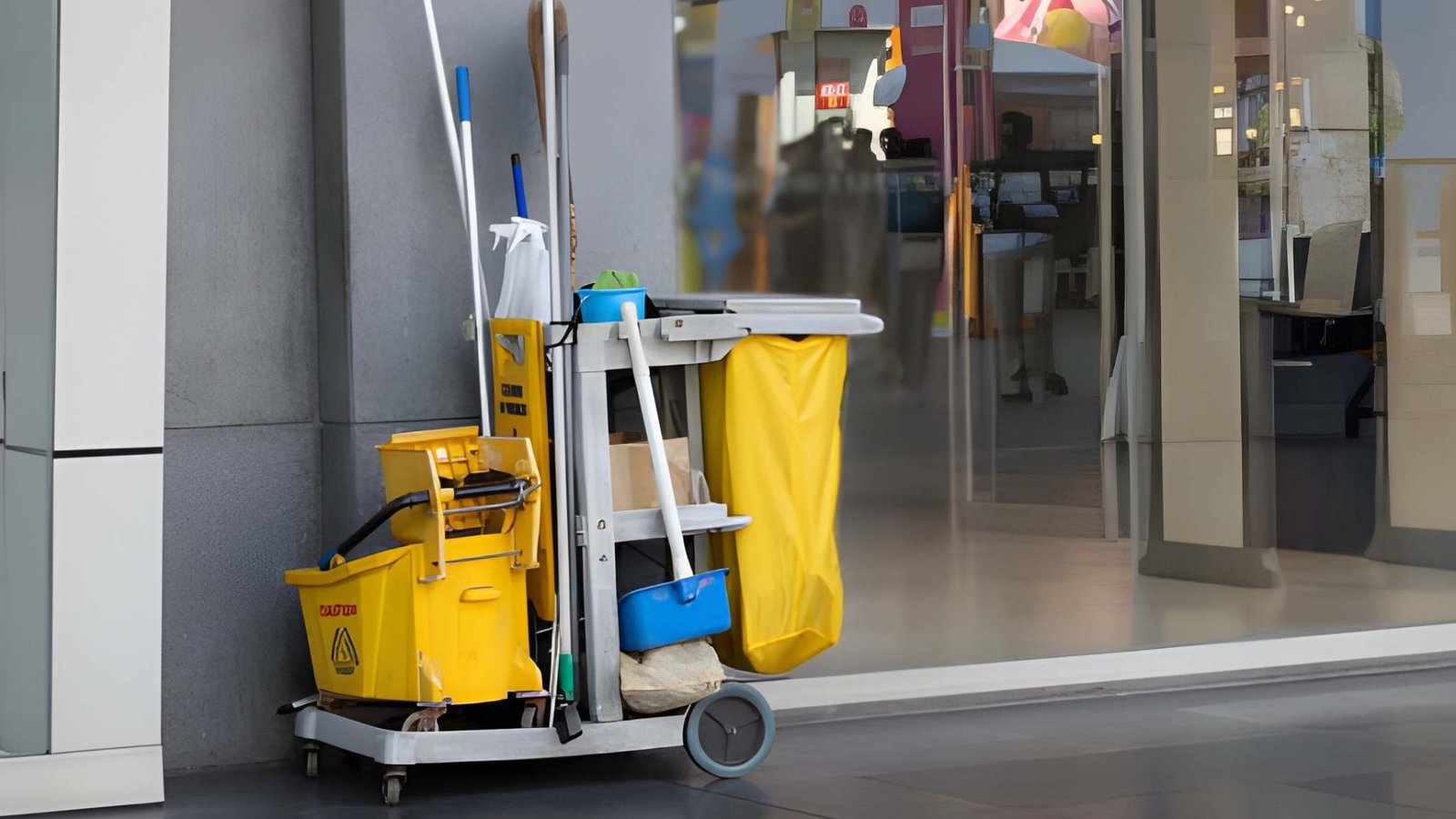
New Jersey’s distinct seasons create unique cleaning challenges and opportunities for East Brunswick businesses. From winter’s salt, slush, and reduced daylight to spring’s pollen invasion, summer’s humidity and increased foot traffic, and fall’s leaf debris and preparation for holidays—each season demands specific cleaning strategies maintaining professional facility standards year-round. Understanding seasonal cleaning needs helps East Brunswick business owners anticipate challenges, adjust service levels appropriately, budget for periodic deep cleaning, and ensure facilities consistently present well regardless of weather conditions or seasonal business fluctuations. This comprehensive seasonal guide provides the knowledge, strategies, and practical recommendations East Brunswick companies need for optimal facility maintenance throughout the year’s changing conditions.
Quick Answer: Key Seasonal Cleaning Priorities
Each season requires specific attention:
Winter (December-February):
- Entrance area salt and moisture management
- Increased mat cleaning and replacement
- Hard floor protection from de-icing chemicals
- HVAC filter changes from heating system use
- Snow and ice debris containment
Spring (March-May):
- Deep carpet cleaning after winter tracking
- Window washing for maximum natural light
- Pollen and allergen removal from all surfaces
- HVAC transition cleaning and maintenance
- Exterior pressure washing after winter damage
Summer (June-August):
- Humidity and moisture management
- Air conditioning system support through filter changes
- Increased restroom attention from higher occupancy
- Floor care optimization during slower business periods
- Exterior maintenance including windows and walkways
Fall (September-November):
- Preparation for holiday season and increased activity
- Leaf debris management at entrances
- Deep cleaning before winter confinement
- HVAC transition back to heating
- Year-end facility assessment and planning
Strategic seasonal adjustments ensure East Brunswick facilities remain professional, healthy, and welcoming throughout the year’s changing conditions.
Winter Cleaning Strategies (December-February)
Entrance Area Management
Winter’s greatest cleaning challenge concentrates at facility entrances:
Salt, sand, and ice-melt tracking: Road treatments and property de-icing create aggressive debris tracked into facilities, damaging floors while creating unsightly, unsafe conditions. Winter tracking can be 3-5 times heavier than other seasons.
Multi-level mat systems:
- Exterior scraper mats: Coarse surfaces removing heavy debris and ice before entry
- Interior absorption mats: 15-20 feet of matting capturing moisture and fine particles
- Frequent mat maintenance: Daily vacuuming minimum, professional cleaning 2-3 times weekly
- Regular replacement: Saturated mats become ineffective; rotate or replace as needed
Enhanced entrance cleaning:
- Multiple daily wet mopping of hard surfaces near entrances
- Immediate attention to salt residue preventing floor damage
- Spot cleaning throughout day versus only overnight
- Absorbent materials managing puddles and moisture
- Slip-and-fall prevention through constant vigilance
Floor protection strategies:
- Neutralizing cleaners removing salt without damaging floors
- More frequent hard floor maintenance (stripping/waxing) due to salt damage
- Protective mats extending deeper into facilities during worst weather
- Immediate cleaning of salt residue preventing permanent etching or staining
Snow and slush containment:
- Designated areas for coat storage keeping snow away from main spaces
- Umbrella stands with drip trays
- Boot trays in office environments
- Quick-drying systems for wet areas
Hard Floor Care in Winter
Salt and chemicals challenge floor maintenance:
Damage prevention: Salt and ice-melt chemicals are highly alkaline or acidic, attacking floor finishes and causing permanent damage if not promptly removed. Winter requires more aggressive floor care than other seasons.
Increased maintenance frequency:
- Daily cleaning with neutralizing solutions
- Weekly detailed floor cleaning versus bi-weekly other seasons
- More frequent stripping and recoating (every 2-3 months versus 4-6 months)
- Immediate response to salt tracking versus delayed attention
Product selection:
- pH-neutral cleaners appropriate for salt removal
- Specialized products neutralizing chemical residues
- High-quality floor finish resisting salt damage
- Sealers providing additional protection
Inspection and repair:
- Regular inspection for damage from winter chemicals
- Prompt repair of damaged areas before permanent harm
- Touch-up coats maintaining protection
- Spring assessment determining refinishing needs
HVAC and Air Quality
Heating season affects indoor environments:
Filter replacement frequency:
- Monthly replacement during heavy heating use versus quarterly other seasons
- Higher-quality filters (MERV 11-13) capturing more particles
- Inspection for unusual dirt accumulation
- Coordination with building maintenance for optimal air quality
Humidity management: Winter heating creates dry indoor air while outdoor cold reduces humidity. This affects comfort, static electricity, and respiratory health.
Dust control:
- More frequent dusting due to dry air keeping particles airborne
- HEPA vacuuming preventing dust redistribution
- Attention to static-attracting surfaces (electronics, glass, plastics)
Ventilation challenges: Facilities often reduce fresh air intake during cold months to save heating costs, requiring enhanced cleaning maintaining air quality.
Winter-Specific Deep Cleaning
Seasonal tasks for winter months:
Upholstery and fabric cleaning: Winter confinement means employees spend more time on furniture. Deep cleaning removes accumulated dust, allergens, and oils.
Carpet extraction: Mid-winter (January-February) carpet deep cleaning removes tracked salt, dirt, and chemical residues before spring, preventing permanent damage and odors.
Interior window cleaning: Limited natural light during short winter days makes clean windows essential maximizing available daylight for employee comfort and energy efficiency.
Lighting fixture cleaning: Dust-covered lights reduce illumination. Winter cleaning ensures maximum light output during darker months.
Storage and low-traffic area cleaning: Slower winter business periods provide opportunities for deep cleaning storage rooms, archives, and areas difficult to access during busy seasons.
Spring Cleaning Strategies (March-May)
Post-Winter Recovery
Addressing winter’s accumulated damage:
Comprehensive carpet cleaning: Spring represents critical carpet maintenance period, removing winter’s tracked salt, dirt, chemicals, and moisture before they cause permanent damage or odors.
Methods:
- Hot water extraction (steam cleaning) for thorough deep cleaning
- Pre-treatment of heavily soiled traffic areas
- Deodorization removing musty winter odors
- Carpet protector application preventing future soiling
Frequency: All carpeted areas should receive professional deep cleaning in March-April, with high-traffic areas potentially requiring mid-summer follow-up.
Hard floor restoration:
- Thorough stripping removing damaged winter finish
- Inspection and repair of salt-damaged areas
- Fresh wax coats (4-5 coats) providing renewed protection
- Sealing tile and grout preventing spring moisture penetration
Entrance area restoration:
- Deep cleaning of entrance mats or replacement if excessively worn
- Repair of entrance flooring damaged during winter
- Pressure washing exterior entrance areas removing winter debris
- Assessment of mat systems for next winter optimization
Pollen and Allergen Management
New Jersey springs bring heavy pollen:
The pollen challenge: East Brunswick’s trees (oak, maple, birch) and grasses produce significant spring pollen affecting indoor air quality as it infiltrates facilities through doors, windows, and on clothing.
Enhanced dusting protocols:
- Increased dusting frequency (daily versus weekly for high surfaces)
- HEPA vacuuming of all surfaces including walls and ceilings
- Microfiber cloth use capturing rather than redistributing pollen
- Attention to horizontal surfaces where pollen settles
Air quality optimization:
- Weekly HVAC filter replacement during peak pollen (April-May)
- Air vent and return cleaning removing pollen accumulation
- Air purifiers in common areas if available
- Keeping windows closed during high pollen days
Fabric and upholstery cleaning:
- Deep cleaning removing embedded pollen from furniture
- Vacuuming window treatments and fabric surfaces
- Consideration of allergen-reducing treatments
Employee accommodation: Enhanced spring cleaning particularly benefits employees with seasonal allergies, supporting productivity and comfort during challenging pollen season.
Window Washing and Natural Light
Spring’s extended daylight deserves clean windows:
Interior and exterior window cleaning:
- Complete window washing (inside and out) maximizing spring sunlight
- Removal of winter grime, salt spray, and environmental residue
- Frame and sill cleaning
- Screen cleaning or replacement if damaged
Benefits:
- Maximized natural light improving mood and reducing lighting costs
- Enhanced facility appearance from both inside and outside
- Extended window life through proper maintenance
- Energy efficiency from clean, properly functioning windows
Timing: Late March through May provides optimal window washing conditions before summer heat and storms.
Additional exterior cleaning:
- Pressure washing building exteriors removing winter damage
- Cleaning exterior light fixtures
- Sidewalk and entrance power washing
- Parking area attention if applicable
Spring Deep Cleaning Projects
Major tasks for spring renovation:
Wall cleaning: Walls accumulate winter dust, fingerprints, and grime. Spring provides ideal timing for thorough wall washing before summer’s open-window season.
Restroom deep cleaning:
- Tile and grout deep cleaning and resealing
- Fixture descaling and polishing
- Partition deep cleaning and repair
- Floor stripping and refinishing
Kitchen and break room renovation:
- Appliance deep cleaning (refrigerators, microwaves, ovens)
- Cabinet interior and exterior cleaning
- Backsplash and tile degreasing
- Floor care and baseboard attention
Storage area organization: Spring cleaning extends to storage rooms, supply closets, and archives—decluttering, organizing, and deep cleaning areas neglected during busy seasons.
Furniture and fixture care:
- Wood furniture cleaning and polishing
- Metal fixture polishing
- Upholstery deep cleaning
- Repair or replacement of damaged items
Summer Cleaning Strategies (June-August)
Humidity and Moisture Management
New Jersey summers bring heat and humidity:
Indoor moisture challenges: High outdoor humidity affects indoor environments despite air conditioning, creating potential mold growth, musty odors, and comfort issues.
Humidity control cleaning:
- Restroom exhaust fan cleaning ensuring proper moisture removal
- Dehumidification support in basements or lower levels
- Mold prevention through proper ventilation and cleaning
- Quick drying after wet cleaning preventing moisture problems
HVAC support:
- Weekly filter inspection and replacement as needed
- Air conditioning coil area cleaning
- Condensate drain inspection and cleaning
- Vent cleaning ensuring proper air circulation
Mold and mildew prevention:
- Bathroom and kitchen attention preventing growth
- Quick response to any moisture issues or leaks
- Dehumidifier emptying and maintenance if present
- Basement and lower-level monitoring
Odor control: Summer humidity can amplify odors. Proper cleaning addressing sources rather than masking:
- Trash removal frequency increase
- Refrigerator cleaning in break rooms
- Carpet deodorization if mustiness develops
- Enzyme-based treatments for organic odors
Increased Occupancy and Traffic
Summer often brings heightened activity:
Restroom frequency: Higher building occupancy, increased water consumption, and more frequent use require enhanced restroom attention:
- Multiple daily restocking checks
- Increased cleaning frequency
- Mid-day maintenance for busy facilities
- Supply monitoring preventing outages
Break room demands: Summer heat increases break room use (cold beverages, lunch refrigeration):
- More frequent refrigerator cleaning
- Microwave daily cleaning
- Countertop sanitization multiple times daily
- Floor cleaning frequency increase
Entrance area adjustments: While less challenging than winter, summer brings different entrance issues:
- Grass clippings and outdoor debris tracking
- Increased door openings (more dirt infiltration)
- Higher mat maintenance from traffic
- Outdoor area cleaning (patios, entrance seating)
High-touch surface sanitization: Increased occupancy requires more frequent disinfection of door handles, light switches, elevator buttons, shared equipment, and other contact surfaces.
Floor Care Opportunities
Summer vacations provide deep cleaning windows:
Optimal timing for major floor projects: Many East Brunswick businesses experience slower summer periods (July-August particularly) providing ideal timing for disruptive floor care:
- Complete stripping and refinishing of VCT and vinyl floors
- Hardwood refinishing if needed
- Tile and grout deep cleaning and sealing
- Concrete floor coating or polishing
Weekend and vacation scheduling: Coordinate major projects during:
- Long summer weekends (Memorial Day, July 4th, Labor Day)
- Vacation periods when office occupancy decreases
- Planned facility closures or reduced hours
- Summer Friday schedules if applicable
Benefits of summer floor care:
- Warm temperatures accelerate drying and curing
- Reduced humidity (with AC) versus spring dampness
- Less interruption during slower business periods
- Fresh floors ready for busy fall season
Summer-Specific Cleaning Tasks
Seasonal priorities:
Outdoor area maintenance:
- Patio and outdoor furniture cleaning
- Entrance area pressure washing
- Exterior window washing if not completed in spring
- Parking area attention and cleaning
Air conditioning system support:
- Monthly filter changes minimum
- Vent cleaning ensuring airflow
- Thermostat area dusting
- Coordination with HVAC maintenance
Light fixture cleaning: Clean fixtures provide maximum light output, potentially reducing cooling costs from fewer lights needed.
Pest prevention: Summer heat brings increased pest activity:
- Proper waste management preventing attraction
- Sealing entry points identified during cleaning
- Immediate spill cleanup
- Coordination with pest control services
Fall Cleaning Strategies (September-November)
Preparation for Busy Season
Fall brings increased business activity:
Holiday season preparation: Many businesses experience increased autumn activity culminating in holiday season. Facility preparation ensures professional presentation:
- Deep cleaning of customer-facing areas
- Furniture and fixture polishing
- Carpet cleaning before holiday traffic
- Restroom renovation for increased use
- Organization and decluttering
Back-to-business intensity: September marks return from summer slowdown:
- Enhanced cleaning meeting renewed activity
- Conference room preparation for fall meetings
- Reception area attention for increased visitors
- Kitchen/break room readiness for full occupancy
Year-end preparation: Fall cleaning prepares for year-end activities:
- Storage area organization for year-end filing
- Office cleaning supporting year-end productivity
- Meeting space preparation for planning sessions
- Professional appearance for year-end client visits
Leaf and Debris Management
Autumn’s natural beauty creates cleaning challenges:
Entrance area leaf control: Falling leaves track into facilities, creating slip hazards when wet and staining floors:
- Enhanced mat systems at entrances
- More frequent entrance cleaning
- Leaf removal from exterior areas
- Coordination with property maintenance for outdoor cleanup
Exterior cleaning:
- Regular pressure washing of entrance areas
- Leaf and debris removal from walkways
- Gutter cleaning preventing water damage
- Exterior window washing before winter
Drainage area attention: Ensure floor drains, exterior drains, and gutters are clear preventing water infiltration.
HVAC Transition Cleaning
Preparing for heating season:
System transition: Fall marks shift from cooling to heating:
- HVAC filter replacement before heating season
- Vent and return cleaning
- Heat source area cleaning (baseboard heaters, radiators)
- Thermostat area dusting and cleaning
Ductwork consideration: Fall provides ideal timing for professional duct cleaning if needed:
- After summer cooling, before winter heating
- Moderate temperatures making any disruption manageable
- Preparation for sealed winter environments
Air quality preparation: Clean HVAC systems support healthy air quality during winter’s reduced ventilation.
Fall Deep Cleaning Projects
Major autumn tasks:
Carpet deep cleaning: Mid-fall (October) carpet cleaning removes summer accumulation preparing for holiday season and winter:
- Professional extraction cleaning
- Spot treatment of problem areas
- Deodorization for fresh presentation
- Carpet protection application
Window washing: Final exterior window washing before winter:
- Complete interior and exterior cleaning
- Frame and sill preparation for winter
- Screen removal and storage if applicable
- Storm window installation coordination if relevant
Upholstery and furniture: Deep cleaning prepares for increased indoor time:
- Fabric furniture extraction cleaning
- Leather conditioning
- Wood furniture polishing
- Repair or replacement of worn items
Lighting preparation: Approaching winter darkness makes clean lighting essential:
- Fixture cleaning maximizing output
- Bulb replacement before holiday season
- Decorative lighting preparation if applicable
Storage and organization: Fall cleaning includes organization preparing for year-end:
- Storage room cleaning and organization
- Archive area attention
- Supply closet organization
- Disposal of unnecessary items before year-end
Creating Your Seasonal Cleaning Calendar
Annual Planning Framework
Structured approach to seasonal needs:
Quarter 1 (January-March):
- January: Winter damage assessment, mid-winter carpet cleaning
- February: Planning for spring deep cleaning, upholstery attention
- March: Spring transition preparation, initial pollen response
Quarter 2 (April-June):
- April: Major spring cleaning projects, carpet extraction
- May: Window washing, exterior cleaning, allergen management
- June: Summer preparation, HVAC transition, organization
Quarter 3 (July-September):
- July: Major floor care projects during slow period
- August: Continued floor care, summer deep cleaning
- September: Fall preparation, back-to-business intensity
Quarter 4 (October-December):
- October: Holiday preparation, fall deep cleaning
- November: Final exterior preparation, heating system support
- December: Winter protection, year-end organization
Budget Planning
Seasonal costs vary throughout year:
Higher investment quarters:
- Q2 (April-June): Spring deep cleaning, carpet extraction, window washing
- Q4 (October-December): Fall preparation, holiday cleaning, winter setup
Moderate investment quarters:
- Q1 (January-March): Winter maintenance, increased entrance attention
- Q3 (July-September): Summer floor care projects offset by reduced regular cleaning
Annual budget allocation:
- 30-35% in Q2 for spring restoration
- 20-25% in Q1 for winter management
- 20-25% in Q4 for fall preparation and holiday readiness
- 20-25% in Q3 for summer projects and maintenance
Reserve fund: Maintain 10-15% budget reserve for unexpected needs (weather damage, emergency cleaning, equipment failures).
Communication with Cleaning Provider
Partnership approach to seasonal planning:
Annual planning meeting: Schedule fall meeting with cleaning provider discussing:
- Upcoming year’s seasonal priorities
- Budget planning and project timing
- Facility-specific seasonal challenges
- Service level adjustments for different seasons
- Special projects and deep cleaning schedules
Quarterly check-ins: Regular touchpoints assessing:
- Current season’s performance and adjustments needed
- Preparation for upcoming season
- Budget tracking and any necessary modifications
- Facility condition and maintenance needs
Pre-season preparation: Before each seasonal transition:
- Review seasonal priorities and adjustments
- Confirm service level changes if applicable
- Schedule any special projects or deep cleaning
- Adjust budgets if needed based on conditions
Responsive adjustments: Weather and business conditions vary:
- Flexibility adjusting to actual conditions versus planned calendar
- Communication about unexpected needs
- Rapid response to weather events or facility issues
Industry-Specific Seasonal Considerations
Retail Businesses
Seasonal retail patterns drive cleaning needs:
Holiday season preparation (October-November):
- Intensive deep cleaning before holiday shopping
- Daily cleaning during peak season
- Restroom frequency increase
- Display area and window cleaning
Post-holiday recovery (January):
- Deep cleaning after intense holiday period
- Carpet extraction removing holiday traffic damage
- Display fixture cleaning
- Restroom renovation
Summer adjustments: Many retailers experience summer slowdown enabling major projects during reduced traffic.
Professional Offices
Business cycles influence seasonal needs:
Tax season impacts (January-April for accounting): Enhanced cleaning supporting extended hours and high stress periods.
Summer Fridays: Reduced Friday presence enables deeper cleaning without disruption.
Year-end activity (November-December): Increased cleaning supporting year-end client meetings and planning sessions.
Healthcare Facilities
Clinical demands create unique seasonal patterns:
Cold and flu season (November-March):
- Enhanced sanitization protocols
- Increased frequency of high-touch surface disinfection
- Waiting room attention
- Respiratory illness prevention measures
Allergy season (April-June):
- Allergen reduction cleaning
- HVAC filter frequency increase
- Enhanced dusting and air quality attention
Summer preparation: Often slower period enabling deep cleaning and maintenance projects.
Food Service Establishments
Restaurant seasonal patterns:
Summer patio season: Outdoor area cleaning and maintenance from May through September.
Holiday season (November-December): Increased dining room attention during busy period.
Slow season projects: Many restaurants use January-February slowdown for deep cleaning and renovation.
Working with Professional Cleaning Services
Seasonal Service Agreements
Structuring contracts for seasonal flexibility:
Base service plus seasonal adjustments:
- Consistent core cleaning year-round
- Defined seasonal enhancements automatically triggered
- Clear pricing for base versus seasonal additions
- Flexibility responding to actual weather and conditions
Scheduled deep cleaning projects:
- Annual calendar of major projects (carpet cleaning, floor care, window washing)
- Defined timing and pricing
- Coordination with business schedules
- Weather contingency planning
Emergency response provisions: Unexpected weather events or seasonal challenges require rapid response:
- Clear emergency contact procedures
- Defined response times for urgent issues
- Pricing structure for emergency services
- Coordination protocols
Communication and Coordination
Effective seasonal cleaning requires partnership:
Weather monitoring and response: Quality providers proactively monitor weather, anticipating needs before you request adjustments.
Business calendar awareness: Cleaning partners should understand your busy seasons, vacation periods, and special events coordinating service to support rather than disrupt.
Proactive recommendations: Experienced providers suggest seasonal adjustments based on weather, facility conditions, and industry best practices.
Budget transparency: Clear communication about seasonal cost variations enables appropriate budgeting without surprises.
Performance feedback: Regular evaluation ensures seasonal strategies effectively address your facility’s unique needs.
Maximizing Seasonal Cleaning Value
Strategic seasonal cleaning delivers multiple benefits:
Facility protection: Appropriate seasonal care extends the life of flooring, fixtures, and building systems—protecting substantial capital investments.
Professional appearance: Facilities consistently maintained through seasonal changes present professionally regardless of weather or outdoor conditions.
Employee health and comfort: Seasonal cleaning addressing allergens, air quality, and environmental conditions supports employee wellness and productivity year-round.
Customer experience: Clean, well-maintained facilities create positive impressions during all seasons—from welcoming winter visitors without salt and slush to presenting fresh, bright spaces during spring and summer.
Cost optimization: Strategic seasonal planning leverages slower periods for major projects, optimizes resource allocation across the year, and prevents damage requiring expensive emergency repairs.
Regulatory compliance: Proper seasonal maintenance supports regulatory compliance—from safe winter entrance conditions to summer humidity and air quality management.
For East Brunswick businesses, understanding and implementing strategic seasonal cleaning ensures facilities remain professional, healthy, and inviting throughout New Jersey’s changing weather conditions and business cycles.
At Brilliant Image Cleaning, we bring extensive experience managing seasonal cleaning challenges for East Brunswick businesses. Our understanding of New Jersey’s seasonal patterns, proactive planning, and flexible service delivery ensure your facility receives appropriate attention year-round.
Contact Brilliant Image Cleaning today to discuss seasonal commercial cleaning in East Brunswick tailored to your facility’s unique needs and New Jersey’s changing conditions. Let us help you develop the seasonal cleaning strategy supporting your business success throughout the year.