After Renovation: A Homeowner's Guide to Cleaning in North Brunswick
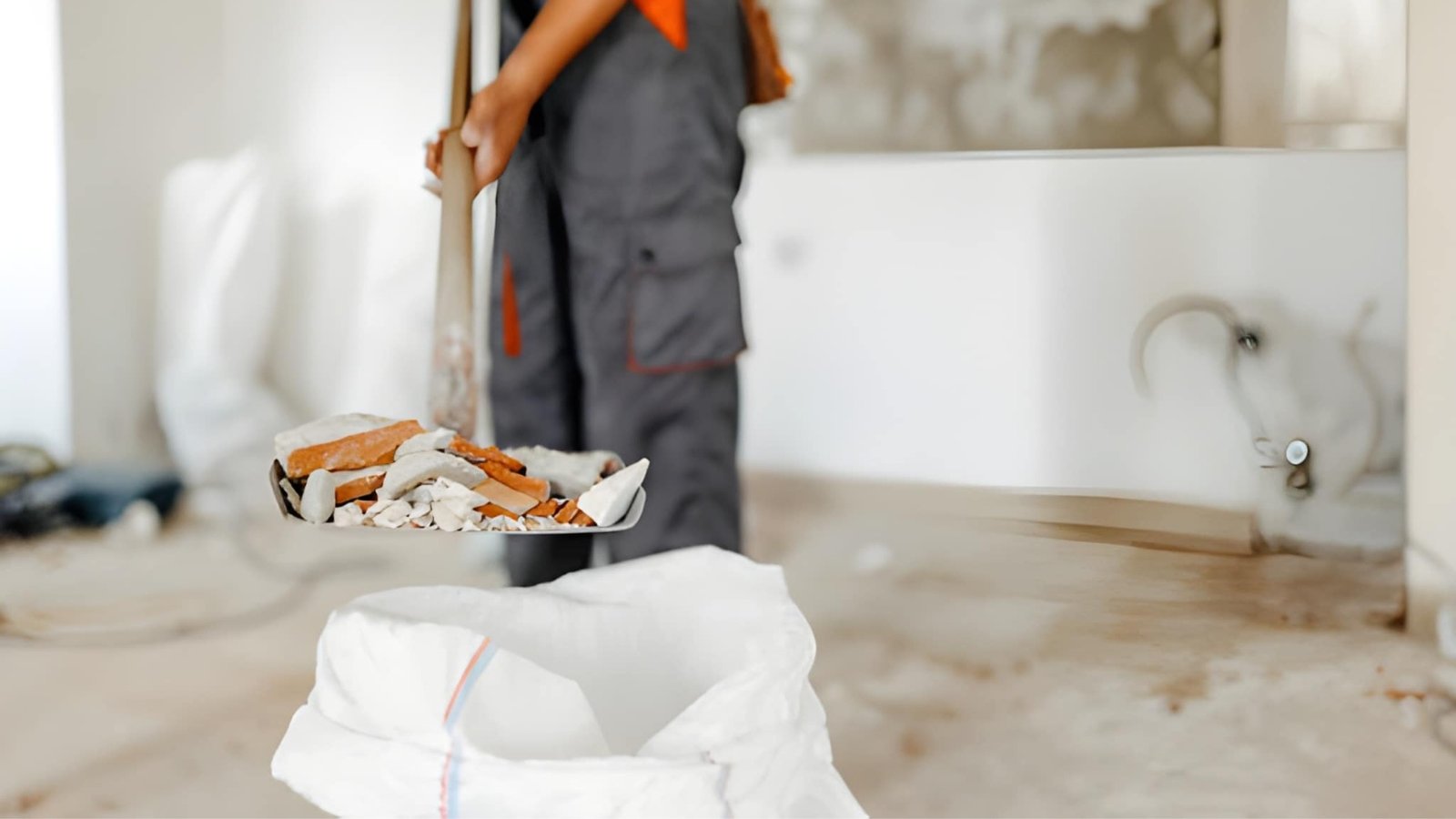
Completing a home renovation in North Brunswick is an exciting achievement, but the journey isn’t finished until your newly remodeled space is thoroughly cleaned and truly ready for daily living. Construction dust, debris, and residue permeate every corner of renovated areas—and often spread throughout your entire home—requiring systematic, thorough cleaning that goes far beyond routine housekeeping. Whether you’ve updated a single bathroom, remodeled your kitchen, or completed a whole-house transformation, understanding proper post-renovation cleaning ensures your North Brunswick home is safe, healthy, and beautiful. This comprehensive homeowner’s guide provides the knowledge, strategies, and practical steps needed to transform construction chaos into pristine living spaces your family can immediately enjoy.
Quick Answer: Essential Post-Renovation Cleaning Steps
Follow this systematic approach for thorough results:
Phase 1 – Initial Preparation (Before Cleaning):
- Verify all construction work is complete and materials have cured
- Remove remaining contractor debris and equipment
- Gather appropriate cleaning supplies and protective equipment
- Open windows for ventilation when weather permits
Phase 2 – Rough Cleaning (Remove Bulk Debris):
- Collect and dispose of construction waste and packaging
- Sweep or vacuum loose debris from all surfaces
- Remove protective coverings from fixtures and appliances
- Clear window sills, ledges, and horizontal surfaces
Phase 3 – Deep Cleaning (Detailed Surface Work):
- HEPA vacuum all surfaces from ceiling to floor
- Clean windows, mirrors, and glass surfaces inside and out
- Wipe down walls, trim, baseboards, and doors
- Detail-clean cabinets, fixtures, and hardware
- Thoroughly clean all flooring with appropriate methods
Phase 4 – Final Touches (Finishing Details):
- Polish fixtures, appliances, and reflective surfaces
- Replace HVAC filters and clean air vents
- Touch up any missed areas during final inspection
- Ventilate spaces to ensure fresh, clean air
This process typically requires 30-50 hours for average North Brunswick home renovations.
Understanding Construction Dust and Debris
What Makes Post-Renovation Cleaning Different
Construction creates unique cleaning challenges distinct from everyday housekeeping:
Fine particle penetration: Renovation work generates microscopic dust particles that settle everywhere—inside closed cabinets, on top of door frames, in air ducts, and throughout adjacent rooms. Drywall dust alone consists of particles as small as 0.3 microns that remain airborne for hours and penetrate the smallest gaps.
Multiple material types: Construction debris includes wood dust, drywall particles, tile and grout residue, paint overspray, adhesive remnants, metal shavings, and various other materials—each requiring specific cleaning approaches and sometimes specialized products.
Volume and persistence: Even small bathroom remodels generate 20-30 pounds of construction dust. This volume settles in layers requiring multiple cleaning passes to completely eliminate. Surface wiping alone simply redistributes particles rather than removing them.
Hidden contamination: Construction dust infiltrates places you’d never suspect: inside light fixtures, behind appliances, in electrical outlets, within HVAC ductwork, and throughout cabinet interiors. Thorough cleaning requires opening, moving, and accessing areas typically overlooked in routine cleaning.
Health implications: Construction dust contains crystalline silica (from cutting tile, concrete, or stone), wood particles, chemical residues from adhesives and paints, and other materials that can cause respiratory irritation, allergic reactions, and long-term health concerns when inhaled or contacted repeatedly.
Understanding these distinctions helps North Brunswick homeowners appreciate why post-renovation cleaning demands specialized attention, time, and often professional expertise.
The Spread of Construction Dust
Even contained renovations affect entire homes:
Airflow distribution: Your HVAC system continuously circulates air throughout your home. When renovations occur, construction dust enters this airflow and distributes to every room, settling on surfaces far from the actual work area.
Door and hallway transitions: Opening doors between construction zones and living areas—inevitable during multi-week projects—allows dust migration. High-traffic hallways become distribution channels spreading particles throughout homes.
Static electricity attraction: Fine dust particles carry electrical charges causing them to cling to walls, ceilings, fabric surfaces, and electronics. This explains why dust appears on vertical surfaces and upholstered furniture despite gravity.
Secondary disturbance: Walking through dusty areas transfers particles on shoes and clothing, spreading contamination to previously clean spaces. This continues until thorough cleaning eliminates all dust sources.
Ventilation system contamination: Construction dust accumulating in air ducts, returns, and on HVAC components continues redistributing particles for months after renovation completion unless systems are properly cleaned.
North Brunswick homeowners should expect cleaning needs extending beyond immediate renovation areas to include entire homes—particularly for projects involving significant demolition or drywall work.
Essential Cleaning Supplies and Equipment
Must-Have Tools for Effective Cleaning
Proper equipment makes enormous differences in results:
HEPA vacuum cleaner ($300-$800): This single investment matters most for post-renovation cleaning. True HEPA (High-Efficiency Particulate Air) filters capture 99.97% of particles 0.3 microns and larger, actually removing construction dust rather than redistributing it through exhaust. Consumer-grade vacuums without HEPA filtration simply blow fine particles back into the air, making thorough cleaning impossible.
Microfiber cleaning cloths (20-30 cloths, $20-$40): Microfiber’s structure mechanically traps and holds dust particles rather than pushing them around. Purchase sufficient quantities to use fresh cloths frequently—dirty cloths simply spread contamination rather than removing it.
Extension poles and dusting tools ($30-$60): Reaching high ceilings, ceiling fans, crown molding, and tall windows safely requires appropriate tools. Telescoping poles with microfiber attachments enable thorough cleaning without ladders or precarious stretching.
Buckets and mops ($40-$80): Wet-mopping captures remaining dust after vacuuming. Microfiber mops work best, using multiple clean mop heads rather than repeatedly using dirty ones. Separate buckets for cleaning solution and rinse water prevent recontamination.
Cleaning solutions ($100-$200): Material-specific products for your renovation’s surfaces—pH-neutral cleaners for stone, wood-safe products for hardwood, tile cleaners, glass cleaners, and general all-purpose cleaners. Avoid multipurpose products claiming to clean everything; they often damage specific materials.
Protective equipment ($75-$150): N95 or N100 respirators protect lungs during dusty cleaning phases. Safety glasses prevent dust from eyes. Heavy-duty rubber gloves protect hands from cleaning chemicals and rough surfaces. Knee pads make floor-level work sustainable.
Scrapers and specialty tools ($40-$80): Plastic scrapers remove adhesive residue, paint drips, and stubborn spots without scratching surfaces. Grout brushes, detail brushes, and specialized implements tackle specific challenges.
Trash bags and disposal containers ($20-$40): Heavy-duty bags for debris, separate containers for sorting recyclables, and adequate capacity for the substantial volume of construction waste typical in post-renovation cleaning.
Total equipment investment: $625-$1,530 for comprehensive supplies enabling thorough DIY cleaning.
Optional Equipment Worth Considering
Additional tools enhancing results:
Carpet cleaner rental ($30-$50/day): For homes with carpeting, deep extraction cleaning removes embedded construction dust that vacuuming alone cannot address.
Power scrubber rental ($50-$75/day): For extensive new tile floors, power scrubbers remove grout haze and construction residue far more effectively than manual scrubbing.
Air purifiers with HEPA filtration ($150-$400 purchase): Running air purifiers during and after cleaning accelerates particle removal from air, improving results while protecting health.
Steam cleaner ($100-$300 purchase or $40-$60/day rental): Steam effectively sanitizes bathrooms and kitchens while cleaning tile, grout, and various surfaces without chemicals.
These optional investments make sense for larger renovations or when tackling specific challenging conditions.
Room-by-Room Cleaning Guide
Kitchen Deep Cleaning After Renovation
Kitchens demand meticulous attention following remodels:
Cabinet care (3-5 hours):
- Open all cabinet doors and drawers
- HEPA vacuum interior surfaces thoroughly
- Wipe shelves and drawer interiors with microfiber cloths
- Clean cabinet exteriors using wood-safe or painted-surface-appropriate products
- Detail-clean hardware, handles, and hinges
- Allow complete drying before adding shelf liners or contents
Countertop and backsplash cleaning (1-2 hours):
- Identify your countertop material (granite, quartz, marble, laminate, etc.)
- Use pH-neutral cleaner appropriate to the specific material
- Remove any grout haze from new tile backsplashes with specialized removers
- Polish surfaces to appropriate sheen
- Never use acidic cleaners (vinegar, lemon) on natural stone—they cause permanent etching
Appliance detailing (2-3 hours):
- Remove all protective films, stickers, and packaging remnants
- Clean appliance interiors (refrigerator, oven, dishwasher, microwave)
- Polish stainless steel using appropriate directional technique (with the grain)
- Detail range hood interior and filters
- Clean around and behind movable appliances
- Wipe down small appliance areas and outlets
Sink and plumbing fixtures (30-60 minutes):
- Remove factory residue from new sinks and faucets
- Polish chrome, brushed nickel, or specialty finishes appropriately
- Clean disposal and drain areas
- Detail-clean around base of faucets where caulk meets counter
Floor cleaning (2-4 hours depending on size and material):
- HEPA vacuum thoroughly, including under movable appliances
- Identify flooring type and select appropriate cleaning method
- For tile: Remove grout haze, clean thoroughly, consider sealing
- For hardwood: Use wood-safe pH-neutral cleaner, avoid excess water
- For vinyl/laminate: Clean with manufacturer-recommended products
- Allow complete drying before replacing area rugs or furniture
Lighting and ventilation (1-2 hours):
- Remove and clean light fixture covers and bulbs
- Wipe down pendant lights, chandeliers, or under-cabinet lighting
- Clean range hood exterior and interior
- Wipe ceiling fan blades if present
- Clean light switches and outlet covers
Total kitchen cleaning time: 10-17 hours for average North Brunswick kitchen renovation.
Bathroom Thorough Cleaning
Bathrooms require sanitization alongside construction cleanup:
Vanity and cabinetry (1-2 hours):
- Vacuum and wipe cabinet interiors
- Clean mirror and medicine cabinet inside and out
- Detail-clean vanity countertop (following material-specific guidance)
- Polish fixtures and hardware
- Clean around sink base and faucet connections
Shower and tub areas (2-3 hours):
- Remove grout haze from new tile installations using appropriate remover
- Clean glass shower doors or curtain rods thoroughly
- Detail-clean all fixtures, handles, and showerheads
- Polish chrome or specialty finishes
- Clean and seal grout if appropriate
- Scrub tub or shower base with non-abrasive cleaners
Toilet area (30 minutes):
- Thoroughly clean and sanitize toilet inside and out
- Wipe base, tank, seat, and surrounding floor area
- Polish hardware and flush mechanism
- Clean behind and around toilet base
Floor cleaning (1-2 hours):
- HEPA vacuum thoroughly, including around toilet base and tight corners
- Remove grout haze from tile floors
- Clean with appropriate tile or vinyl flooring products
- Detail corners, edges, and grout lines
- Consider grout sealing for new tile installations
Ventilation and lighting (30-60 minutes):
- Clean exhaust fan cover and interior
- Wipe down light fixtures and replace bulbs if needed
- Clean switches and outlet covers
- Ensure adequate ventilation during and after cleaning
Final details (30 minutes):
- Clean towel bars, toilet paper holder, and accessories
- Wipe down doors, door frames, and hardware
- Detail baseboards and trim
- Final polish of all reflective surfaces
Total bathroom cleaning time: 6-10 hours per average bathroom renovation.
Living Spaces and Bedrooms
Open living areas and bedrooms require systematic approaches:
Ceiling and upper wall cleaning (2-3 hours per room):
- HEPA vacuum ceilings to remove settled dust
- Clean ceiling fans thoroughly (blades, motor housing, and pull chains)
- Vacuum crown molding, picture rails, and upper trim
- Gently wipe walls with microfiber cloths (avoid damaging fresh paint)
- Clean light fixtures, chandeliers, or pendant lights
Window and glass cleaning (1-2 hours per room):
- Remove all protective films, labels, and stickers from new windows
- Clean interior window glass with appropriate glass cleaner
- Detail window frames, sills, and tracks
- Clean exterior windows if accessible
- Wipe down or vacuum window treatments if they accumulated dust
Wall features and trim (2-3 hours per room):
- Vacuum baseboards thoroughly
- Wipe baseboards with microfiber cloths
- Clean door frames and doors (both sides)
- Detail door hardware (handles, hinges, locks)
- Wipe switch plates and outlet covers
- Clean any built-in shelving, mantels, or architectural features
Closet interiors (1-2 hours per closet):
- HEPA vacuum closet floors, shelves, and hanging rods
- Wipe all horizontal surfaces
- Clean closet doors and hardware
- Detail any closet lighting fixtures or switches
- Allow complete drying before returning clothing and belongings
Floor cleaning (2-4 hours per room):
- HEPA vacuum thoroughly, moving lightweight furniture
- Clean hardwood with appropriate wood-safe products
- Deep-clean carpeting with extraction equipment
- Detail corners, edges, and under radiators or built-ins
- Ensure complete drying before replacing furniture and area rugs
Air quality attention (30 minutes per room):
- Clean or replace air vent covers
- Vacuum inside visible ductwork at vents
- Run air purifiers if available during and after cleaning
Total living space cleaning time: 8-15 hours per average room.
HVAC System Care After Renovation
Critical System Maintenance
Your heating and cooling system requires special post-renovation attention:
Immediate filter replacement (15-30 minutes):
- Turn off HVAC system before beginning
- Locate all filter locations (often multiple in North Brunswick homes)
- Remove construction-clogged filters—they’re likely grey or brown rather than white
- Install new, high-quality filters (MERV 11-13 recommended)
- Record filter sizes and replacement dates for future reference
- Restart system after installation
Air vent and return cleaning (2-3 hours):
- Remove all air vent and return covers throughout home
- Vacuum covers thoroughly, wash if heavily soiled
- Use vacuum attachments to clean visible ductwork at each opening
- Wipe vent frames and surrounding walls
- Reinstall clean covers securely
Professional duct cleaning consideration: For extensive renovations involving significant demolition, drywall work, or if HVAC ran during construction, professional duct cleaning provides substantial benefits:
- Removes construction dust from throughout duct system
- Prevents ongoing dust recirculation for months after renovation
- Improves system efficiency and indoor air quality
- Typically costs $400-$1,000 for average North Brunswick homes
- Represents worthwhile investment for major renovations
Ongoing filter maintenance:
- Replace filters again 30 days after initial post-renovation replacement
- Construction dust continues settling for weeks, quickly clogging new filters
- Return to normal 90-day replacement schedule after second change
- Consider upgrading to higher-quality filters permanently for better air quality
System performance monitoring:
- Listen for unusual sounds indicating dust impact on blower or motors
- Monitor airflow from vents—reduced flow may indicate filter clogging
- Watch for excessive dust on surfaces after cleaning—may indicate duct issues
- Consider professional HVAC inspection if concerns arise
Proper HVAC attention prevents months of ongoing dust problems while protecting expensive heating and cooling equipment from damage.
Tackling Stubborn Post-Construction Issues
Common Challenges and Solutions
Specific problems require targeted approaches:
Grout haze on tile (1-3 hours depending on area):
- Problem: New tile installations often have cloudy film from grout residue
- Solution: Use pH-appropriate grout haze remover (acidic for cement grout, alkaline for epoxy grout)
- Method: Apply remover per instructions, allow dwell time, scrub with non-abrasive pad, rinse thoroughly
- Prevention: Never use vinegar or harsh acids on natural stone tile—they cause permanent damage
Adhesive residue (variable time):
- Problem: Tape, protective film, or construction adhesive leaves sticky residue
- Solution: Use appropriate solvents—rubbing alcohol, mineral spirits, or commercial adhesive removers
- Method: Test in inconspicuous area first, apply solvent, let penetrate, gently scrape or rub, clean residue
- Safety: Use in ventilated areas, wear gloves, avoid open flames
Paint overspray or drips (30 minutes to 2 hours):
- Problem: Small paint spots on windows, floors, or fixtures
- Solution: For windows, use razor blade scrapers at 45-degree angle; for other surfaces, test appropriate removers
- Method: Work carefully to avoid scratching underlying surfaces
- Note: Fresh paint removes easier than cured paint—address quickly if discovered
Window film or sticker residue (1-2 hours):
- Problem: Protective films and factory labels leave adhesive residue on new windows
- Solution: Heat with hair dryer to soften adhesive, peel carefully, clean residue with rubbing alcohol or commercial remover
- Patience: Work slowly to avoid tearing film, leaving harder-to-remove fragments
Caulk smears or excess (variable time):
- Problem: Dried caulk on tile, fixtures, or other surfaces
- Solution: Carefully cut away excess with utility knife or razor blade, clean with appropriate solvent
- Prevention: Check caulk work before it fully cures—fresh caulk removes much easier
Persistent dust on walls (2-4 hours):
- Problem: Drywall dust electrostatically clings to painted walls
- Solution: Use barely-damp microfiber cloths, wring thoroughly to avoid water damage to fresh paint
- Method: Wipe gently in one direction, rotate to clean cloth surfaces frequently
- Alternative: Some homeowners successfully use dryer sheets (anti-static properties) for dust removal
Scratched or damaged surfaces discovered during cleaning:
- Problem: Construction may have damaged new installations
- Action: Document with photos, contact contractor immediately while under warranty
- Timing: Address before final payment if possible—leverage ensures prompt attention
Professional post construction cleaning in North Brunswick services bring experience solving these common challenges efficiently without damaging new installations.
Safety Considerations During Cleaning
Protecting Your Health
Post-renovation cleaning involves significant health hazards:
Respiratory protection:
- Wear N95 or N100 respirators during all dusty cleaning phases
- Standard dust masks provide inadequate protection from fine construction particles
- Replace respirator filters when breathing becomes difficult
- Ensure proper fit—facial hair prevents adequate seal
- Remove respirator only in well-ventilated areas during breaks
Eye protection:
- Safety glasses or goggles prevent dust from entering eyes
- Particularly important during ceiling cleaning, vacuuming, and any overhead work
- Clean or replace as needed to maintain visibility
Skin protection:
- Heavy-duty rubber gloves protect hands from cleaning chemicals and rough surfaces
- Long sleeves and pants minimize skin contact with dust and chemicals
- Wash exposed skin thoroughly after cleaning sessions
- Use barrier creams if prone to skin irritation
Ventilation importance:
- Open windows and doors whenever possible during cleaning
- Use fans to create cross-ventilation and air exchange
- Take breaks in well-ventilated areas or outdoors
- Avoid cleaning during extreme heat or cold when ventilation is limited
- Never run vehicles in attached garages during cleaning—carbon monoxide hazards
Chemical safety:
- Read and follow all product labels and safety warnings
- Never mix cleaning products—especially bleach with ammonia or acids
- Use chemicals in well-ventilated areas
- Store products safely away from children and pets
- Dispose of empty containers properly
Physical strain prevention:
- Use knee pads for floor-level work to protect joints
- Employ proper lifting techniques when moving furniture or equipment
- Take regular breaks to prevent exhaustion
- Stay hydrated throughout cleaning process
- Stretch before and during work to prevent muscle strain
- Don’t hesitate to call professionals if work exceeds your physical capabilities
Electrical safety:
- Ensure hands and equipment are dry when working near outlets
- Unplug appliances before detailed cleaning
- Avoid getting water near electrical fixtures or outlets
- Use GFCI-protected outlets in bathrooms and kitchens
North Brunswick homeowners with asthma, allergies, respiratory conditions, or other health concerns should strongly consider professional cleaning services that have appropriate protective equipment and expertise managing health risks.
Timeline Planning and Realistic Expectations
How Long Does Complete Cleaning Take?
Set appropriate expectations for time requirements:
Small bathroom remodel (50-80 sq ft):
- Rough cleaning: 3-4 hours
- Deep cleaning: 8-12 hours
- Final detailing: 2-3 hours
- Total: 13-19 hours over 2-4 days
Average kitchen renovation (150-200 sq ft):
- Rough cleaning: 4-6 hours
- Deep cleaning: 15-20 hours
- Final detailing: 4-6 hours
- Total: 23-32 hours over 4-6 days
Multiple room renovation (500-800 sq ft):
- Rough cleaning: 8-12 hours
- Deep cleaning: 25-35 hours
- Final detailing: 6-10 hours
- Total: 39-57 hours over 7-10 days
Whole house renovation (1,500-2,500 sq ft):
- Rough cleaning: 15-20 hours
- Deep cleaning: 50-70 hours
- Final detailing: 10-15 hours
- Total: 75-105 hours over 10-20 days
These estimates assume working efficiently without extended breaks. First-time post-renovation cleaners often require 25-50% more time as they learn techniques and encounter unexpected challenges.
Phasing Your Cleaning Project
Break work into manageable segments:
Weekend warrior approach (common for working homeowners):
- Week 1: Rough cleaning throughout renovation area
- Week 2: Deep clean kitchen or primary room
- Week 3: Deep clean bathrooms
- Week 4: Deep clean remaining spaces and final details
- Total: 4 weekends for average kitchen or 2-3 room renovation
Dedicated week approach:
- Day 1: Rough cleaning and HVAC attention
- Days 2-3: Kitchen deep cleaning
- Days 4-5: Bathroom(s) deep cleaning
- Days 6-7: Living spaces and final details
- Total: Full week for comprehensive post-renovation cleaning
Professional service approach:
- Day 1: Complete rough and deep cleaning
- Day 2: Final detailing and inspection
- Total: 1-2 days for average renovation with professional team
Hybrid approach (popular option):
- Homeowners handle rough cleaning and basic work
- Professionals tackle deep cleaning, specialty surfaces, and final detailing
- Total: 2-3 days homeowner work, 1 day professional service
This hybrid often provides best value—reducing professional service costs while ensuring critical deep cleaning receives expert attention.
When to Call Professional Services
Recognizing Your Limits
Several situations warrant professional help:
Time constraints: If you need your North Brunswick home ready quickly for move-in, events, or returning from temporary housing, professional services complete in days what takes weeks DIY.
Physical limitations: Post-renovation cleaning is demanding physical work. Those with mobility issues, back problems, or other physical limitations should avoid this strenuous activity.
Health concerns: Homeowners with asthma, allergies, COPD, or other respiratory conditions shouldn’t risk exposure to construction dust despite protective equipment.
Valuable or specialty materials: Renovations featuring marble, exotic hardwood, specialty tile, or other expensive materials benefit from professional expertise preventing damage from incorrect cleaning methods.
Overwhelming scope: Whole-house renovations or projects with extensive demolition generate dust and debris quantities that exhaust most homeowners. Professional teams have systems, equipment, and stamina for these large projects.
Poor contractor cleanup: If contractors left excessive debris, poor initial cleanup, or problematic conditions, professionals efficiently handle these situations that frustrate DIY efforts.
Quality expectations: Homeowners wanting truly perfect results—particularly when selling or hosting important events—benefit from professional expertise and equipment delivering superior outcomes.
Value of time: Calculate your hourly value (career income or personal time worth). If 50 hours of cleaning time is worth more than professional service costs, hiring makes economic sense.
Learning curve concerns: First-time post-renovation cleaners make mistakes—sometimes damaging new installations. Professional expertise avoids costly errors.
What Professionals Provide
Professional post-construction cleaning services in North Brunswick offer distinct advantages:
Industrial equipment: Commercial HEPA vacuums, power scrubbers, and specialty tools work 3-5 times faster than consumer equipment while achieving superior results.
Material expertise: Professionals know appropriate cleaning products and methods for granite, marble, hardwood, tile, and other materials—preventing the damage inexperienced cleaners sometimes cause.
Systematic efficiency: Established processes ensure thorough coverage without wasted effort or missed areas common in DIY attempts.
Physical stamina: Teams of 2-4 workers complete heavy physical work quickly without the exhaustion solo homeowners experience.
Guaranteed results: Reputable services guarantee satisfaction, returning to address any issues without additional charges.
Insurance protection: Professional liability insurance protects homeowners from potential damage during cleaning—important when working around expensive new installations.
Time savings: The single greatest benefit—reclaiming 40-60 hours for family, work, or relaxation while experts handle demanding cleanup.
Maintaining Your Renovation Long-Term
Post-Cleaning Care
After thorough post-renovation cleaning, protect your investment:
HVAC filter schedule:
- Replace filters 30 days after initial post-cleaning replacement
- Return to 90-day schedule after second replacement
- Mark calendar for regular replacements
- Consider upgrading to higher MERV ratings permanently
Regular maintenance routines:
- Establish cleaning schedules appropriate to each renovated space
- Kitchen: Daily wiping, weekly deep cleaning
- Bathrooms: Daily maintenance, weekly sanitization
- Floors: Regular vacuuming and appropriate periodic deep cleaning
- Consider professional residential cleaning in North Brunswick for ongoing maintenance
Material-specific care:
- Follow manufacturer recommendations for special materials
- Natural stone: pH-neutral cleaners only, periodic sealing
- Hardwood: Appropriate wood-safe products, avoid excess water
- Tile grout: Periodic sealing, gentle cleaning to maintain appearance
Protective measures:
- Use doormats to reduce dirt and debris tracking
- Implement no-shoes policies for new flooring
- Use trivets, cutting boards, and protective pads on countertops
- Clean spills immediately to prevent staining
- Maintain proper ventilation to prevent moisture issues
Seasonal attention:
- Spring: Deep cleaning, window washing
- Summer: HVAC filter checks, outdoor area maintenance
- Fall: Gutter cleaning, preparing for winter
- Winter: Managing moisture, preventing salt damage to flooring
Documentation:
- Keep records of all renovation materials and finishes
- Save care instructions from manufacturers
- Document cleaning products that work well for your specific materials
- Photograph your renovation in pristine condition for insurance purposes
Cost Comparison: DIY vs. Professional
Understanding True DIY Costs
Many homeowners underestimate DIY expenses:
Equipment and supplies: $625-$1,530 (as detailed earlier)
Time investment: 30-100 hours depending on project size
Opportunity cost: If your time is worth $25-$75/hour (career rate or personal time value), 50 hours represents $1,250-$3,750 in value
Potential damage risk: Mistakes using wrong products on expensive materials can cost $500-$5,000+ in repairs or refinishing
Physical toll: Exhaustion, soreness, potential injury has value beyond monetary calculation
Learning curve: Inefficiency from lack of experience means DIY takes 2-3 times longer than professionals
Total true DIY cost: $2,500-$9,000+ when honestly accounting for all factors
Professional Service Investment
Compare with professional cleaning costs:
- Small bathroom remodel: $300-$500
- Average kitchen renovation: $600-$1,000
- Multiple room renovation: $1,000-$1,800
- Whole house renovation: $1,500-$3,000
Professional services include all equipment, supplies, expertise, efficiency, and guaranteed results—often costing less than true DIY expenses when all factors are considered.
Your Path to a Pristine Home
Post-renovation cleaning represents the final essential phase of your North Brunswick home improvement journey. Whether you tackle this work yourself or engage professional services, thorough cleaning transforms construction sites into beautiful, healthy, livable spaces your family deserves.
For DIY approaches, this guide provides the comprehensive knowledge needed to achieve excellent results through systematic work, appropriate equipment, and proper techniques. For those recognizing that professional services offer better value through expertise, efficiency, and guaranteed outcomes, understanding the process helps you make informed decisions and set appropriate expectations.
Your renovation investment deserves protection through proper cleaning that showcases the quality of your improvements while ensuring your home’s air quality and surfaces are safe for daily living. Don’t let inadequate cleaning undermine months of planning and significant financial investment in your North Brunswick home.
At Brilliant Image Cleaning, we specialize in post-construction cleaning for North Brunswick homeowners who demand exceptional results without the exhausting DIY effort. Our systematic approaches, professional equipment, and trained teams deliver the pristine condition your newly renovated home deserves—typically within 1-3 days rather than the weeks DIY requires.
Contact Brilliant Image Cleaning today for a free consultation about your post-renovation cleaning needs. Let our experts handle the demanding cleanup while you enjoy the exciting transition into your beautifully transformed North Brunswick home