

The Role of Luck in Gambling
Luck is often perceived as the prime factor influencing outcomes in casino games. Gamblers frequently rely on the belief that luck is an external force that can either be in their favor or against them. This psychological framework can drive players to pursue their next big win, often leading them to believe that they are “due” for a successful round after a series of losses. The randomness of games like slots and roulette reinforces this belief, as players experience cycles of winning and losing that they interpret through their own personal lens of luck. When considering different options for engaging in betting activities, make sure to review crypto sports betting sites to find the best fit for your preferences.
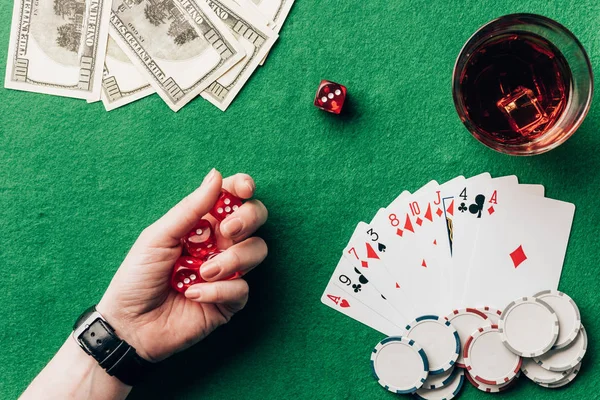
This reliance on luck can lead to cognitive biases, such as the gambler’s fallacy, where players think previous outcomes will affect future ones. Understanding this illusion can help players manage their expectations and make more rational gambling decisions, rather than getting swept away by emotion or superstition.
The Impact of Environment on Decision Making
The environment of a casino plays a significant role in shaping a gambler’s psychology. Factors like lighting, sounds, and even the layout of machines are meticulously designed to create an immersive experience that keeps players engaged. These elements can induce a state of euphoria, encouraging players to spend more time and money. The psychological effect of a vibrant environment can modify perception, making it difficult for gamblers to accurately assess their wins and losses.
Moreover, social influences within a casino setting can heighten excitement and modify decision-making processes. Observing others win can create a contagious atmosphere of optimism and risk-taking. Players can find themselves investing more based on the energy around them rather than their own strategy or financial limits.
The Influence of Emotions on Gambling Behavior
Emotions play a pivotal role in gambling behavior, influencing decisions and outcomes significantly. For instance, winning can elevate a player’s mood, leading them to take bolder risks, whereas losing can trigger frustration and lead to attempts to chase losses. This emotional rollercoaster can cloud judgment and lead to poor choices, such as betting larger amounts in hopes of recouping losses.
Additionally, the dopamine rush associated with winning can create a cycle of addiction. Players may begin to associate gambling with pleasure, reinforcing the need to return for that high. Understanding how emotions affect gambling choices can help players develop healthier strategies and recognize when it’s time to step back from the table.
Strategies for Responsible Gambling
To navigate the psychological influences of gambling effectively, adopting responsible strategies is crucial. Setting limits on time and money spent can help mitigate the risk of emotional decision-making. By establishing clear guidelines, players can enjoy the experience without allowing their emotions or the thrill of the moment to dictate their actions.
Moreover, educating oneself about the games and their odds can empower players. A grounded understanding of how games work and the chances of winning can cultivate a more realistic outlook, diminishing the allure of luck-based thinking. Informed gamblers are less likely to fall victim to the psychological traps that can lead to negative experiences.

Find Your Perfect Gambling Platform
If you’re interested in exploring responsible gambling in a secure environment, consider visiting dedicated platforms that prioritize player safety. Our website offers a wealth of resources tailored for both seasoned and novice gamblers, providing comprehensive guides and insights to navigate the complex world of casino gaming.
From understanding the psychology behind games to finding the best platforms for your betting needs, we are here to support you in making informed choices. Embrace the thrill of gambling while ensuring a safe and enjoyable experience with the right knowledge at your fingertips.