Eco-Friendly Cleaning Tips for Livingston Renters
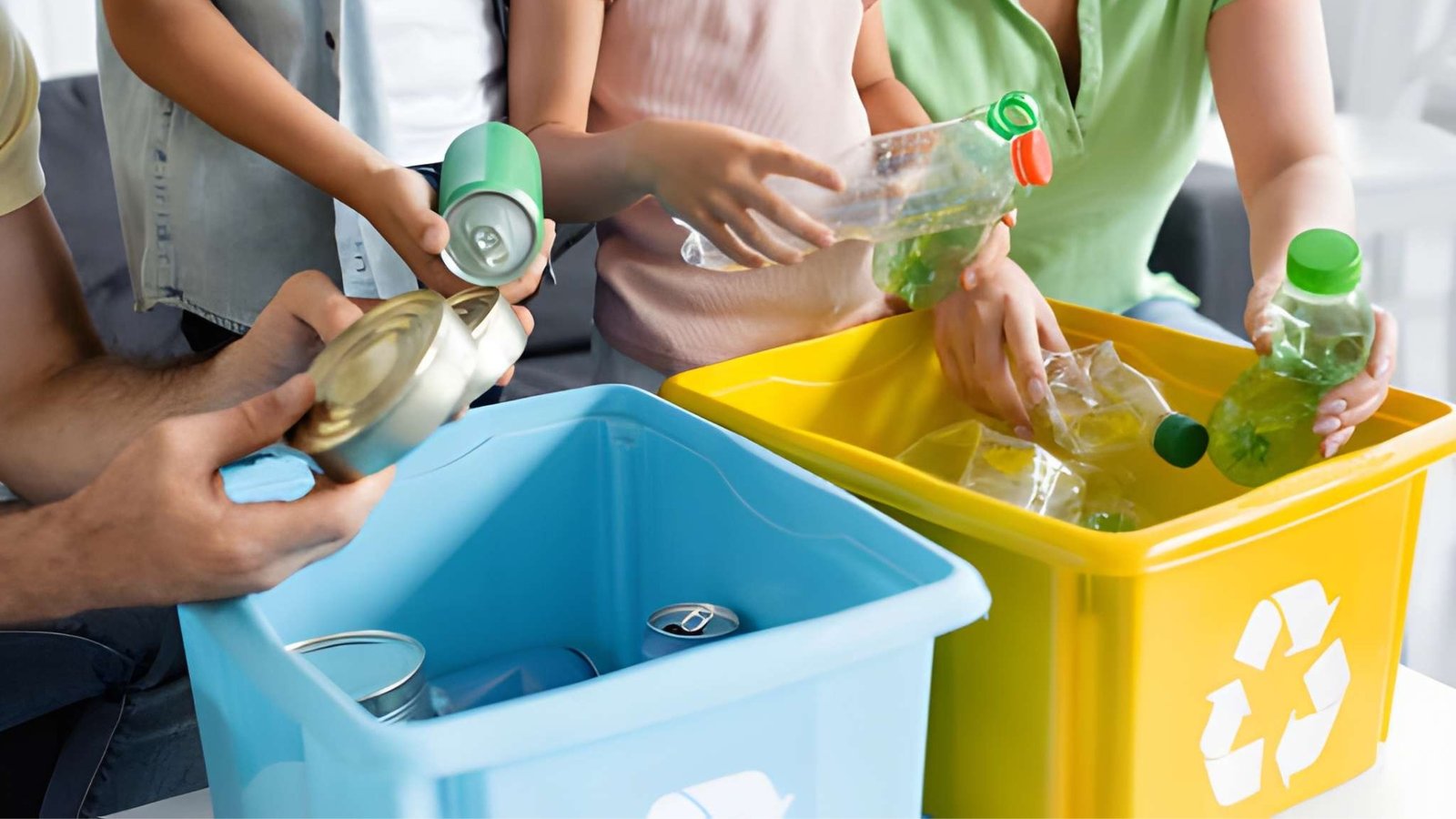
Livingston renters committed to environmental sustainability can maintain spotless apartments while minimizing ecological impact through thoughtful green cleaning practices. Whether you’re concerned about indoor air quality, reducing chemical exposure, protecting local waterways, or simply aligning your cleaning routine with your environmental values, eco-friendly cleaning delivers effective results without the harsh chemicals, wasteful packaging, and environmental harm of conventional approaches. For Livingston renters—many of whom choose this community for its tree-lined streets, parks, and environmental consciousness—green cleaning represents natural extension of sustainable lifestyle choices into home maintenance. This comprehensive guide provides practical eco-friendly cleaning strategies, DIY natural solutions, sustainable product recommendations, and waste-reduction tips helping Livingston renters maintain immaculate apartments while protecting personal health and environmental wellbeing.
Quick Answer: Essential Eco-Friendly Cleaning Basics
Livingston renters can green their cleaning with these fundamentals:
Natural cleaning solutions:
- All-purpose: Equal parts white vinegar and water
- Glass cleaner: Vinegar, water, and drop of dish soap
- Scrubbing paste: Baking soda and water
- Disinfectant: Rubbing alcohol diluted with water
- Wood polish: Olive oil and lemon juice
Certified green products:
- EPA Safer Choice certified cleaners
- Green Seal certified products
- Plant-based, biodegradable formulations
- Refillable and concentrated options
- Fragrance-free or naturally scented
Sustainable tools:
- Microfiber cloths (reusable, effective with minimal water)
- Natural fiber brushes and brooms
- Reusable mop pads versus disposable
- Glass spray bottles for DIY solutions
- Compostable sponges and scrubbers
Waste reduction:
- Cloth rags instead of paper towels
- Refillable containers
- Concentrated products reducing packaging
- Proper recycling of containers
- Composting where possible
Cost and effectiveness:
- DIY solutions: Pennies per use versus $3-$8 per product
- Equal or better cleaning performance
- Healthier indoor air quality
- Environmental responsibility
Green cleaning costs less, works as well or better, and protects health and environment.
Why Eco-Friendly Cleaning Matters
Health Benefits for Renters
Green cleaning protects personal wellbeing:
Indoor air quality improvement: Conventional cleaning products release volatile organic compounds (VOCs) into indoor air:
- Lingering chemical fumes for hours or days after cleaning
- Respiratory irritation and headaches
- Exacerbation of asthma and allergies
- Long-term exposure health concerns
Green alternatives:
- Zero or minimal VOC emissions
- No harsh chemical fumes
- Better breathing environment
- Immediate air quality improvement
Reduced toxic exposure: Conventional cleaners contain chemicals linked to:
- Skin irritation and allergic reactions
- Respiratory issues
- Hormone disruption
- Various health concerns with chronic exposure
Natural products eliminate:
- Toxic chemical exposure
- Synthetic fragrance irritants
- Harsh abrasives and acids
- Unnecessary health risks
Particularly important for:
- People with asthma or allergies
- Children and pregnant women
- Pets (who are closer to cleaned floors and surfaces)
- Anyone with chemical sensitivities
- Small apartment living (less dilution of airborne chemicals)
Apartment-specific considerations:
- Limited ventilation in some units
- Shared HVAC systems in buildings
- Smaller spaces concentrating airborne chemicals
- Close proximity to neighbors (chemical sensitivity considerations)
Environmental Impact
Protecting ecosystems and resources:
Water quality protection: Conventional cleaners contain phosphates, surfactants, and chemicals that:
- Contaminate wastewater
- Harm aquatic ecosystems
- Contribute to water pollution
- Affect local waterways (Livingston’s connection to Passaic River watershed)
Green products:
- Biodegradable formulations
- Plant-based ingredients breaking down naturally
- Minimal environmental persistence
- Safe for water systems
Reduced packaging waste: Sustainable cleaning minimizes waste through:
- Concentrated products (less shipping, less packaging)
- Refillable containers
- Bulk purchasing options
- Reusable tools versus disposables
Lower carbon footprint: Eco-friendly approach reduces:
- Manufacturing energy use (simple ingredients versus complex chemicals)
- Transportation emissions (concentrated products, local options)
- Packaging production and disposal
- Overall environmental impact
Supporting sustainable practices: Purchasing green products:
- Supports companies prioritizing environment
- Encourages broader market shift
- Demonstrates consumer demand for sustainability
- Contributes to positive change
Rental-Specific Advantages
Benefits specific to Livingston renters:
Deposit protection: Gentle green cleaning:
- Prevents damage to surfaces from harsh chemicals
- Maintains finishes and fixtures
- Protects flooring, countertops, and appliances
- Supports security deposit return
Landlord relationship: Responsible cleaning demonstrates:
- Care for property
- Maturity and reliability
- Consideration for shared building environment
- Quality as tenant
Neighbor consideration: In multi-unit buildings:
- Reduced chemical odors affecting neighbors
- Consideration for shared ventilation systems
- Community-minded approach
- Reduced potential complaints
Flexibility for moving: Green cleaning products:
- Easier to transport (lighter, concentrated)
- Less hazardous material concerns
- Simple to replace if left behind
- Cost-effective for frequent movers
Alignment with Livingston values: Many Livingston renters choose this community for:
- Environmental consciousness
- Sustainability values
- Quality of life priorities
- Green living alignment
DIY Natural Cleaning Solutions
All-Purpose Cleaner
Versatile solution for most surfaces:
Basic recipe:
- 1 cup white vinegar
- 1 cup water
- Optional: 10-15 drops essential oil (lemon, lavender, tea tree)
Instructions:
- Combine ingredients in spray bottle
- Shake before each use
- Spray on surfaces
- Wipe with microfiber cloth
Effective on:
- Kitchen counters (except natural stone)
- Appliances
- Bathroom surfaces (sinks, tubs, toilets)
- Glass and mirrors
- Tile and hard floors
Cost: ~$0.10 per batch versus $3-$5 for commercial products
Storage: Lasts indefinitely; make as needed
Notes:
- Don’t use on natural stone (marble, granite)—acid etches surface
- Safe for most other surfaces
- Vinegar smell dissipates as dries
- Add essential oils for pleasant scent
Glass and Mirror Cleaner
Streak-free shine naturally:
Recipe:
- 1 cup water
- 1 cup white vinegar
- 1 tablespoon cornstarch (reduces streaking)
- Optional: Few drops dish soap
Instructions:
- Mix ingredients in spray bottle
- Shake well before use
- Spray on glass or mirrors
- Wipe with microfiber cloth or newspaper
- Buff dry for streak-free finish
Alternative simple version:
- Equal parts vinegar and water
- No additional ingredients needed
Technique tip: Microfiber cloths or crumpled newspaper prevent streaking better than paper towels.
Cost: ~$0.05 per batch
Uses:
- Mirrors and glass shower doors
- Windows
- Glass tables
- Picture frames
- Any glass surface
Scrubbing Paste
Gentle abrasive for tough cleaning:
Recipe:
- Baking soda
- Water
- Mix to paste consistency
Enhanced version:
- 1/2 cup baking soda
- 1/4 cup liquid castile soap
- Water as needed for paste
- Optional: Few drops essential oil
Applications:
- Bathtub and sink scrubbing
- Tile and grout cleaning
- Stovetop tough spots
- Oven interior (for routine cleaning)
- Removing stuck-on food
Instructions:
- Apply paste to surface
- Let sit 5-10 minutes for tough stains
- Scrub with brush or sponge
- Rinse thoroughly
- Wipe dry
Cost: ~$0.25 per batch (baking soda very inexpensive)
Safety: Gentle enough for most surfaces without scratching (test inconspicuous area first on delicate surfaces).
Disinfectant Solution
Natural sanitization:
Option 1: Alcohol-based:
- 1 part rubbing alcohol (70% isopropyl)
- 1 part water
- Optional: Essential oils (tea tree has antimicrobial properties)
Option 2: Hydrogen peroxide:
- 3% hydrogen peroxide (undiluted)
- Use directly from dark bottle (light degrades it)
Option 3: Vinegar:
- White vinegar (undiluted)
- 5% acidity kills many bacteria and viruses
Application:
- Spray on surface
- Let sit 5-10 minutes (contact time kills germs)
- Wipe clean
- No rinsing needed
Best for:
- High-touch surfaces (door handles, light switches)
- Bathroom fixtures
- Kitchen counters
- Toys and frequently touched items
Effectiveness: Natural disinfectants kill most common household germs when used properly—adequate dwell time is key.
Note: For serious illness situations or immunocompromised households, EPA-registered disinfectants may be advisable—green options available (hydrogen peroxide-based products).
Floor Cleaner
Safe for various floor types:
Hardwood and laminate:
- 1/2 cup white vinegar
- 1 gallon warm water
- Few drops dish soap (optional)
Tile floors:
- 1/4 cup vinegar
- 1 gallon warm water
- 1 tablespoon baking soda
Application:
- Sweep or vacuum first
- Mix solution in bucket
- Damp mop (wring mop well—excess water damages floors)
- Let air dry or dry with clean cloth
Cost: ~$0.10 per cleaning
Caution: Always test on inconspicuous area first. Some hardwood finishes sensitive to vinegar—use very diluted solution or plain water with tiny amount of castile soap.
Wood Polish
Natural furniture care:
Recipe:
- 2 parts olive oil
- 1 part lemon juice
- Optional: Few drops lemon essential oil
Instructions:
- Mix ingredients in small bowl
- Apply small amount to soft cloth
- Rub into wood furniture
- Buff with clean dry cloth
Uses:
- Wood furniture polishing
- Conditioning and protecting
- Restoring shine
Alternative:
- Plain olive oil works for conditioning
- Vinegar and olive oil (1:3 ratio) for cleaning and polishing
Frequency: Monthly or as needed to maintain appearance.
Storage: Make fresh batches as needed—don’t store long-term.
Certified Green Products for Renters
Understanding Eco-Labels
Navigating green product certifications:
EPA Safer Choice:
- Most rigorous U.S. certification
- Ingredient-level screening
- Human health and environmental safety
- Performance testing
- Continuous review
- Look for: Blue and white EPA Safer Choice label
Green Seal:
- Independent non-profit certification
- Life-cycle environmental impact assessment
- Reduced toxicity
- Performance requirements
- Look for: Green Seal logo with certification number
EcoLogo (UL Environment):
- North American environmental certification
- Multi-attribute criteria
- Third-party verification
- Look for: EcoLogo symbol
USDA BioPreferred:
- Certifies bio-based content (plant-derived ingredients)
- Renewable resource focus
- Percentage of renewable content disclosed
- Look for: USDA Certified Biobased Product label
Avoid greenwashing: Terms like “natural,” “eco-friendly,” “green,” or “non-toxic” without third-party certification are unregulated and may be meaningless marketing.
Trust certifications, not claims: Third-party verified labels ensure genuine environmental benefits.
Recommended Product Categories
Effective certified green products:
All-purpose cleaners:
- Seventh Generation Free & Clear
- Mrs. Meyer’s Clean Day (various scents)
- Method All-Purpose
- Ecover All-Purpose
- Better Life Natural All-Purpose
Bathroom cleaners:
- Seventh Generation Toilet Bowl Cleaner
- Method Antibacterial Bathroom Cleaner
- Ecover Bathroom Cleaner
- Better Life Natural Tub & Tile
Kitchen cleaners:
- Bon Ami powder (classic, gentle abrasive)
- Dr. Bronner’s Sal Suds (concentrated)
- Method Heavy Duty Degreaser
- Seventh Generation Dish Liquid
Glass cleaners:
- Seventh Generation Glass & Surface
- Method Glass + Surface
- Better Life Streak-Free Glass
Floor cleaners:
- Bona Hardwood Floor Cleaner (specifically for wood)
- Method Squirt + Mop (tile and laminate)
- Seventh Generation Floor Cleaner
Laundry detergent:
- Seventh Generation Free & Clear
- ECOS Laundry Detergent
- Method Laundry Detergent
- Mrs. Meyer’s Laundry Detergent
Where to Buy in Livingston Area
Local shopping for green products:
Major retailers:
- Target (Livingston/nearby): Good selection green products, often sales
- Whole Foods (Short Hills): Comprehensive green cleaning selection
- Trader Joe’s (nearby): Limited but affordable green options
- CVS/Walgreens: Increasing green product availability
- ShopRite (Livingston): Growing natural products section
Online options:
- Amazon: Wide selection, subscribe-and-save discounts
- Grove Collaborative: Specialized green products, delivered
- Thrive Market: Members-only discounts on green products
- Direct from manufacturers (Seventh Generation, Method, etc.)
Cost comparison: Green products typically 10-30% more expensive than conventional, but:
- Concentrated formulas last longer
- DIY solutions dramatically cheaper
- Health and environmental benefits justify cost
- Increasingly competitive pricing
Budget approach:
- Use DIY solutions for most cleaning (very inexpensive)
- Purchase certified products for specific needs (disinfection, specialty cleaning)
- Buy concentrated refills when available
- Stock up during sales
Sustainable Cleaning Tools and Materials
Reusable Cleaning Cloths
Eliminating paper waste:
Microfiber cloths:
- Most effective reusable option
- Ultra-fine fibers trap dirt and bacteria
- Clean effectively with just water (no chemicals needed)
- Machine washable hundreds of times
- Cost: $1-$3 each, 12-pack $12-$25
Usage:
- General cleaning with all-purpose solution
- Glass and mirrors (streak-free)
- Dusting (electrostatically attracts dust)
- Floor cleaning
- Polishing
Care:
- Wash after each use or when dirty
- Avoid fabric softener (clogs fibers)
- Air dry or low heat
- Replace when worn (typically lasts 2-5 years)
Cotton rags:
- Repurpose old t-shirts, towels, sheets
- Free and readily available
- Absorbent for spills
- Good for heavy-duty scrubbing
Swedish dishcloths:
- Cellulose and cotton blend
- Super absorbent
- Compostable when worn out
- Replace sponges and paper towels
- Cost: $2-$4 each
Old towels and linens:
- Cut into cleaning rags
- Zero additional cost
- Diverts textiles from landfill
- Perfect for tough jobs
Eco-Friendly Brushes and Tools
Sustainable equipment:
Natural fiber brushes:
- Coconut fiber (coir) scrub brushes
- Bamboo-handled brushes
- Plant-based bristles
- Biodegradable or compostable
- Cost: $5-$15 per brush
Brooms and dustpans:
- Natural fiber brooms (corn, grass)
- Wooden handles
- Long-lasting with proper care
- Cost: $15-$30
Mops:
- Reusable microfiber mop pads
- Washable versus disposable
- Bamboo or recycled plastic handles
- Spray mops with refillable bottles
- Cost: $20-$40 for quality mop with reusable pads
Sponges:
- Cellulose sponges (plant-based, biodegradable)
- Coconut fiber scrubbers
- Loofah (natural plant)
- Avoid plastic sponges
- Cost: $2-$5 each
Squeegees:
- Stainless steel and natural rubber
- Long-lasting with care
- Windows and shower doors
- Cost: $8-$20
Vacuum cleaners: For renters purchasing:
- Bagless models (reduce waste)
- HEPA filtration (air quality)
- Energy-efficient motors
- Durable, repairable brands
- Consider secondhand quality models
Reusable Containers and Storage
Organizing green cleaning:
Glass spray bottles:
- Reusable indefinitely
- No plastic leaching concerns
- Works for all DIY solutions
- Cost: $3-$8 each
- Where: Target, Container Store, Amazon
Mason jars:
- Store dry ingredients (baking soda, washing soda)
- Mix small batches
- Label clearly
- Multipurpose and attractive
- Cost: $1-$3 each
Repurposed containers:
- Clean and reuse commercial cleaner bottles
- Food containers for storage
- Free and waste-reducing
Labeling:
- Clearly label all containers
- List ingredients for safety
- Date mixed if applicable
- Use waterproof labels or permanent marker
Storage location:
- Under sink organization
- Cabinet or closet storage
- Keep away from heat and sunlight
- Organize by use (kitchen, bathroom, general)
Room-by-Room Eco-Friendly Cleaning
Green Kitchen Cleaning
Sustainable food-prep area care:
Daily maintenance:
- Wipe counters with vinegar solution
- Clean stove/cooktop with baking soda paste for stuck-on food
- Wash dishes with plant-based dish soap
- Sweep floor with natural fiber broom
Weekly deep cleaning:
- Sink: Scrub with baking soda, disinfect with vinegar
- Appliances: Wipe exteriors with all-purpose cleaner
- Microwave: Steam clean (bowl of water and lemon, microwave 5 minutes, wipe)
- Floor: Mop with vinegar solution
Monthly tasks:
- Refrigerator: Remove items, wipe shelves with baking soda solution
- Oven: Baking soda paste overnight, wipe clean (for routine cleaning)
- Cabinets: Wipe fronts with all-purpose cleaner
Green drain maintenance:
- Pour baking soda down drain
- Follow with vinegar (fizzes, cleans)
- Flush with hot water
- Prevents clogs naturally
Garbage disposal:
- Ice cubes and citrus peels
- Freshens and cleans naturally
Eco-Friendly Bathroom Cleaning
Natural sanitization:
Weekly cleaning:
- Toilet: Sprinkle baking soda in bowl, scrub, spray with vinegar, scrub again
- Sink/counter: All-purpose vinegar solution
- Shower/tub: Spray with vinegar, sprinkle baking soda, scrub, rinse
- Mirror: Vinegar glass cleaner
- Floor: Vinegar mop solution
Mold and mildew prevention:
- Spray vinegar on prone areas (undiluted)
- Let sit, wipe clean
- Keep exhaust fan running during and after showers
- Squeegee shower walls after use
Grout cleaning:
- Baking soda paste
- Old toothbrush for scrubbing
- Hydrogen peroxide for whitening
Toilet bowl cleaning:
- Baking soda and vinegar (or castile soap)
- Commercial green toilet cleaner if preferred
- Scrub and let sit for tough stains
Drain care:
- Baking soda and vinegar monthly
- Hair catcher preventing clogs
- Hot water flush
Bedroom Eco-Cleaning
Healthy sleep environment:
Weekly tasks:
- Dusting: Microfiber cloth (dampened slightly)
- Floors: Vacuum with HEPA filter or sweep and damp mop
- Bedding: Wash in eco-friendly detergent, line dry if possible
Monthly tasks:
- Mattress: Vacuum, sprinkle with baking soda (sit 30 minutes), vacuum again
- Under bed: Pull out items, vacuum thoroughly
- Closet: Organize, dust shelves
Air quality:
- Open windows regularly (weather permitting)
- Indoor plants (natural air purification)
- Minimize clutter (reduces dust accumulation)
Natural fabric freshening:
- Baking soda on carpets before vacuuming
- Vodka in spray bottle on fabrics (kills odor-causing bacteria, evaporates odorlessly)
- Lavender sachets in drawers
Living Area Green Cleaning
Common space maintenance:
Daily tidying:
- Put items away
- Fluff pillows and straighten
- Quick surface wipe if needed
Weekly cleaning:
- Dusting: Microfiber cloth on all surfaces
- Vacuuming: Carpets, rugs, upholstery
- Floors: Sweep and mop hard surfaces
- Glass: Clean TV screen, mirrors, glass tables
Electronics cleaning:
- Microfiber cloth (slightly damp)
- Avoid spraying liquids directly on electronics
- Unplug before cleaning
Upholstery care:
- Vacuum regularly
- Spot clean with mild castile soap solution
- Baking soda sprinkle and vacuum for odors
Wood furniture:
- Dust with microfiber
- Polish monthly with olive oil/lemon mixture
- Avoid over-polishing (buildup)
Waste Reduction Strategies
Eliminating Single-Use Products
Reducing cleaning waste:
Replace paper towels:
- Microfiber cloths
- Cotton rags from old clothes
- Swedish dishcloths
- Reusable “unpaper towels” (cloth towels on roll)
Savings: Average household spends $100-$200 annually on paper towels—eliminated with reusables.
Ditch disposable wipes:
- Cleaning wipes create significant waste
- Make reusable wipes (cloth in container with DIY solution)
- Or use spray bottle and cloth
Avoid single-use sponges:
- Compostable cellulose sponges
- Reusable silicone scrubbers
- Long-lasting natural fiber brushes
Refuse excessive packaging:
- Buy concentrated products
- Choose refill options
- Purchase in bulk when possible
- Select minimal packaging
Proper Recycling
Disposing responsibly:
Livingston recycling guidelines: Follow Essex County and Livingston recycling rules:
- Plastic bottles and containers (#1-#7)
- Glass bottles and jars
- Metal cans
- Cardboard and paper
Cleaning product containers:
- Rinse before recycling
- Remove pumps and sprayers if not recyclable
- Check recycling symbols
- When in doubt, check Livingston recycling guide
Hazardous waste: If disposing conventional cleaners:
- Never pour down drain
- Participate in Essex County hazardous waste collection events
- Drop off at designated facilities
- Follow proper disposal protocols
TerraCycle programs: Some companies offer recycling for hard-to-recycle items—research options for specific products.
Refill and Concentrate Options
Reducing packaging waste:
Refill stations: Some stores offer refill stations:
- Bring container
- Fill with product
- Pay by weight or volume
- Eliminates packaging
Concentrated products:
- Much smaller packaging
- Mix at home with water
- Reduced shipping weight/emissions
- Cost-effective
Bulk purchasing: For products you use regularly:
- Larger sizes reduce per-use packaging
- Often less expensive per ounce
- Share with roommates or friends if large quantity
DIY from bulk ingredients: Purchase in bulk:
- White vinegar (gallon jugs)
- Baking soda (large boxes)
- Castile soap (large bottles)
- Make solutions as needed
Special Considerations for Livingston Renters
Apartment-Safe Green Cleaning
Rental-appropriate approaches:
Protecting surfaces: Green cleaning is actually safer for rental finishes:
- Gentler on countertops and fixtures
- No harsh chemical damage risk
- Maintains original condition better
- Supports security deposit return
Testing surfaces: Always test new solutions on inconspicuous areas:
- Ensure compatibility
- Verify no discoloration or damage
- Particularly important for natural stone, special finishes
Ventilation: Even with green products:
- Open windows when possible
- Use exhaust fans
- Ensure adequate air circulation
- Particularly in bathrooms during cleaning
Respecting shared spaces: In multi-unit buildings:
- Keep chemical odors minimal (consideration for neighbors)
- Don’t dump harsh solutions in shared drains (if still using any)
- Clean up spills in common areas immediately
- Be considerate of shared laundry facilities
Budget-Friendly Green Cleaning
Affordable sustainability for renters:
DIY priorities: Make your own for biggest savings:
- All-purpose cleaner: $0.10 per bottle
- Glass cleaner: $0.05 per bottle
- Scrubbing paste: $0.25 per batch
- Floor cleaner: $0.10 per use
Where to invest: Buy certified products for:
- Specialty needs DIY can’t address
- Convenience when time-limited
- Specific performance requirements
- Items used infrequently (not worth making)
Shopping strategies:
- Sales and coupons for green products
- Target Cartwheel and store apps for deals
- Amazon Subscribe & Save (5-15% discount)
- Buy concentrated refills
- Split bulk purchases with friends
Free resources:
- Vinegar: ~$2/gallon, lasts months
- Baking soda: ~$1/pound
- Repurposed rags: Free
- Newspaper for glass: Free
Total cost: Complete DIY green cleaning for apartment: $10-$20 for several months of supplies.
Moving and Transition
Green cleaning for move-in/move-out:
Move-in deep cleaning: Green approach for fresh start:
- Thoroughly clean with DIY solutions
- Sanitize all surfaces naturally
- Wipe cabinets, shelves, drawers
- Clean appliances inside and out
- Mop all floors
Ongoing maintenance: Regular green cleaning:
- Easier than catch-up cleaning
- Maintains apartment condition
- Supports deposit return
- Creates healthy environment
Move-out cleaning: Final green cleaning before departure:
- Deep clean entire apartment
- Use strong vinegar solution for tough buildup
- Baking soda scrubbing for stubborn spots
- Leave apartment spotless naturally
- Document with photos
Transporting supplies: Green cleaning easier to move:
- Lighter (concentrated or ingredients)
- Less hazardous
- Simpler to replace if left behind
- Cost-effective starting fresh
Overcoming Common Green Cleaning Challenges
Tough Stains and Buildup
Natural solutions for difficult cleaning:
Grease and oil:
- Baking soda paste
- Castile soap (concentrated)
- Hot water
- Elbow grease and time
Hard water stains:
- Undiluted vinegar (soak 30+ minutes)
- Lemon juice for fixtures
- Commercial citric acid solution
- Scrub with brush
Soap scum:
- Vinegar spray, baking soda scrub
- Dish soap and vinegar mixture
- Prevention through squeegee use
Carpet stains:
- Blot immediately (never rub)
- Club soda for fresh spills
- Vinegar and water for set stains
- Baking soda for odors
- Commercial green carpet cleaners for tough stains
Oven cleaning:
- Baking soda paste overnight
- Spray with vinegar, wipe clean
- Repeat if necessary
- Commercial green oven cleaner for heavily soiled
When to use certified products: Some stains genuinely require stronger commercial formulations—choose green certified options for these situations.
Disinfection Effectiveness
Ensuring proper sanitization:
Natural disinfectant effectiveness: Research shows:
- Vinegar kills 80-90% of bacteria, many viruses
- Hydrogen peroxide (3%) kills 99.9% of bacteria
- Rubbing alcohol (70%) effective broad-spectrum disinfectant
Proper use essential:
- Adequate contact time (5-10 minutes)
- Clean surface first (remove visible dirt)
- Then apply disinfectant
- Don’t wipe immediately
When to use EPA-registered: Situations requiring maximum disinfection:
- Illness in household
- Immunocompromised individuals
- After handling raw meat
- Bathroom after stomach illness
Green EPA-registered options:
- Hydrogen peroxide-based products
- Thymol (from thyme oil) based
- Various green-certified disinfectants
Balance: Regular green cleaning adequate for healthy households; use stronger disinfection when genuinely needed.
Stubborn Odors
Natural deodorizing:
Kitchen odors:
- Simmer water with cinnamon, citrus peels
- Baking soda in refrigerator
- Vinegar for cooking odors
- Coffee grounds absorb smells
Bathroom odors:
- Regular cleaning prevents most odors
- Baking soda in drains
- Essential oil diffuser
- Ventilation crucial
General apartment odors:
- Baking soda on carpets (vacuum after 30 minutes)
- Open windows regularly
- Indoor plants
- Identify and address sources (trash, drains, etc.)
Pet odors:
- Enzyme-based cleaners (green options available)
- Vinegar and water for accidents
- Baking soda on fabrics
- Regular washing of pet bedding
Avoid: Air fresheners and artificial fragrances:
- Mask odors rather than eliminating
- Contain synthetic chemicals
- Can trigger allergies and sensitivities
- Address sources instead
Resources and Further Learning
Reliable Information Sources
Expanding green cleaning knowledge:
Websites and databases:
- Environmental Working Group (EWG): Product ratings and information
- EPA Safer Choice: Certified product database
- Green Seal: Certification information
- Think Dirty app: Product scanning and ratings
Books:
- “Green Clean” by Jill Potvin Schoff
- “The Naturally Clean Home” by Karyn Siegel-Maier
- “Better Basics for the Home” by Annie Berthold-Bond
Blogs and online communities:
- Going Zero Waste
- Treehugger
- My Plastic-free Life
- Reddit r/ZeroWaste
Local Livingston Resources
Community support for green living:
Recycling information:
- Livingston Township website (recycling schedules and guidelines)
- Essex County recycling programs
- Hazardous waste collection events
Shopping:
- Local farmers markets (reusable bags, reduce packaging)
- Livingston recycling center
- Area green product retailers
Community groups:
- Livingston Environmental Commission
- Local sustainability initiatives
- Community gardens and green spaces
Educational programs:
- Library programs on sustainability
- Community workshops
- Seton Hall University sustainability initiatives
Making the Transition to Green Cleaning
Starting Your Green Cleaning Journey
Practical first steps:
Begin simply: Week 1: Replace one conventional product with DIY version (all-purpose cleaner) Week 2: Add glass cleaner and scrubbing paste Week 3: Incorporate microfiber cloths, reduce paper towels Week 4: Assess and expand to additional areas
Don’t throw away conventional products:
- Use up existing products (waste to discard)
- Transition gradually
- Learn as you go
- Refine based on experience
Experiment and adjust:
- Try different DIY recipes
- Find preferred scents (essential oils)
- Discover what works for your needs
- Personalize your approach
Build sustainable habits:
- Incorporate into routine
- Make it convenient (keep supplies accessible)
- Involve roommates if applicable
- Celebrate progress
Measuring Success
Tracking green cleaning benefits:
Health improvements:
- Reduced allergies or respiratory issues
- Fewer headaches from chemical exposure
- Better indoor air quality
- Overall wellbeing enhancement
Financial savings:
- Track spending on cleaning products
- Compare before/after costs
- Calculate savings from DIY approach
- Reinvest savings in other priorities
Environmental impact:
- Waste reduction (less packaging, no disposables)
- Chemical reduction in wastewater
- Contribution to sustainability goals
- Personal environmental footprint decrease
Lifestyle satisfaction:
- Pride in sustainable choices
- Alignment of actions with values
- Empowerment from DIY knowledge
- Improved living environment
Embrace Green Cleaning in Your Livingston Home
Eco-friendly cleaning empowers Livingston renters to maintain immaculate apartments while protecting personal health, reducing environmental impact, and often saving money compared to conventional approaches. The transition to green cleaning—whether through simple DIY solutions, certified sustainable products, or combination approaches—represents achievable sustainable living that makes genuine difference.
Your Livingston apartment can be spotlessly clean without harsh chemicals, excessive waste, or environmental harm. The strategies, recipes, and recommendations in this comprehensive guide provide everything you need to embrace green cleaning while enjoying the superior results, health benefits, and satisfaction of sustainable home care.
From simple vinegar and baking soda solutions to thoughtfully chosen certified products, from reusable microfiber cloths to waste-reducing practices, green cleaning offers practical, effective, affordable approaches supporting the environmental values drawing many renters to Livingston’s community in the first place.
For Livingston renters seeking professional cleaning support aligned with sustainability values, residential cleaning in Livingston can incorporate green products and practices. Many professional services now offer eco-friendly cleaning options using certified sustainable products, microfiber technology, and waste-reducing approaches—delivering professional results while supporting environmental responsibility.
Whether you handle all cleaning yourself using these green strategies or partner with eco-conscious professional services, sustainable apartment maintenance in Livingston creates healthy homes, protects the environment, and demonstrates that cleanliness and environmental responsibility are complementary goals—not competing priorities.
Start your green cleaning journey today, and experience the satisfaction of maintaining a beautiful, healthy Livingston apartment while protecting the environment you value.
Why Choose Brilliant Image Cleaning?
Trusted by businesses and homeowners across New Jersey for 20 years
Fully Insured & Bonded
Complete peace of mind — our team is fully insured and bonded for every job.
20 Years of Excellence
Serving New Jersey since June 2006 with a proven track record of spotless results.
4.8-Star Rated
Consistently top-rated on Google Reviews by satisfied clients across NJ.
Free Custom Quotes
Get a tailored cleaning plan and transparent pricing — no hidden fees, ever.
Flexible Scheduling
We work around your hours — daily, weekly, monthly, or one-time deep cleans.
Eco-Friendly Products
Safe, green cleaning solutions that protect your space, your team, and the environment.