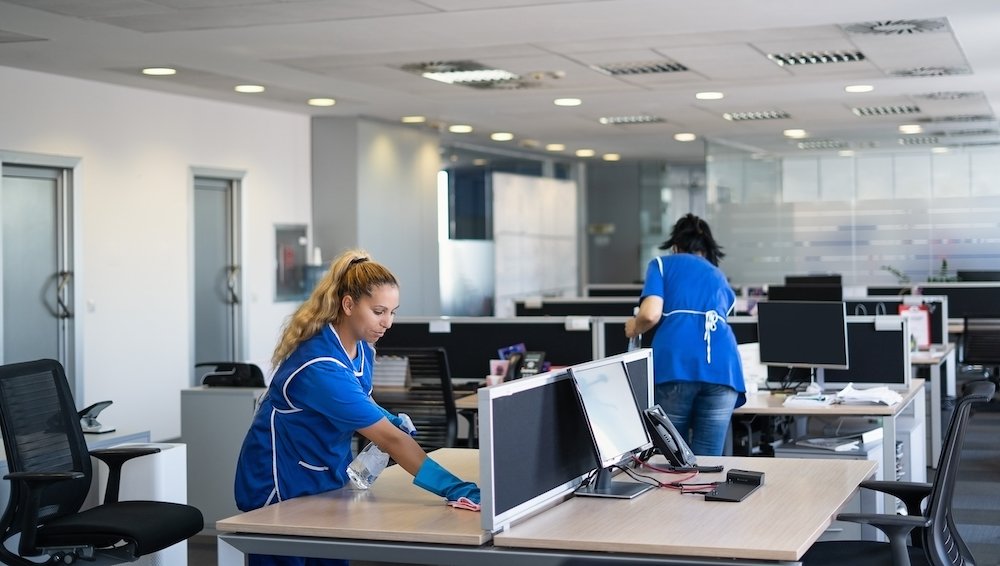
How to Prepare Your East Orange Home for a Deep Cleaning Service
Scheduling professional deep cleaning for your East Orange home represents an excellent investment in your living environment—but proper preparation ensures you receive maximum value from the service. While professional cleaners handle the intensive scrubbing, sanitizing, and detailed work that deep cleaning requires, thoughtful preparation enables them to work efficiently, access all necessary areas, and focus their expertise on actual cleaning rather than preliminary tasks. Understanding what to do—and what not to do—before cleaners arrive transforms a good deep cleaning experience into an exceptional one, maximizing both results and cost-effectiveness. This comprehensive guide provides East Orange homeowners with practical preparation strategies, room-by-room checklists, communication tips, and insights ensuring your deep cleaning service delivers the transformative results your home deserves.
Quick Answer: Essential Preparation Steps
Prepare your East Orange home for deep cleaning with these key actions:
Before the cleaners arrive:
- Declutter surfaces and floors (put away items, not deep organize)
- Secure valuables and fragile items
- Clear cleaning access (move lightweight items blocking areas)
- Communicate special instructions or priorities
- Secure pets safely
- Ensure cleaners can access home
What NOT to do:
- Don’t pre-clean (that’s what you’re paying for!)
- Don’t organize closets or drawers (unless requesting interior cleaning)
- Don’t move heavy furniture (professionals handle if needed)
- Don’t stress about normal household mess
Communication essentials:
- Share priorities and focus areas
- Identify surfaces or items requiring special care
- Note any areas to avoid
- Provide access information
- Discuss your schedule and preferences
Expected results: Professional deep cleaning provides:
- Comprehensive cleaning beyond routine maintenance
- Attention to neglected or difficult areas
- Professional-quality results
- Fresh, revitalized living spaces
Proper preparation requires 30-60 minutes for average homes and ensures cleaners maximize time on actual deep cleaning tasks.
Understanding Deep Cleaning Services
What Deep Cleaning Includes
Deep cleaning differs from routine maintenance:
Standard maintenance cleaning:
- Regular surface cleaning
- Routine vacuuming and mopping
- Basic bathroom and kitchen maintenance
- Quick dusting and tidying
Deep cleaning services:
- Intensive cleaning of all surfaces
- Detailed work in kitchens and bathrooms
- Cleaning inside appliances (ovens, refrigerators)
- Baseboards, molding, and trim
- Light fixtures and ceiling fans
- Window cleaning (interior, sometimes exterior)
- Behind and under moveable furniture
- Detailed vacuuming including edges and corners
- Grout scrubbing and tile deep cleaning
- Door and cabinet wiping (interior and exterior)
- Wall spot cleaning
- Comprehensive dusting including high areas
Time and intensity: Deep cleaning typically requires:
- 2-3 times longer than routine cleaning
- Multiple professional cleaners
- Specialized equipment and products
- Systematic room-by-room approach
Frequency: Most East Orange homes benefit from:
- Deep cleaning 2-4 times annually
- Routine maintenance between deep cleanings
- Seasonal deep cleaning (spring and fall common)
- Before/after major life events
Setting Realistic Expectations
Understanding what deep cleaning achieves:
What deep cleaning WILL do:
- Remove accumulated dirt, grime, and buildup
- Clean areas neglected in routine maintenance
- Restore surfaces to significantly cleaner state
- Create fresh, revitalized home environment
- Address most stains and issues
What deep cleaning may NOT do:
- Fix permanent staining or damage
- Repair broken items or surfaces
- Organize your belongings
- Replace worn or damaged materials
- Address serious mold (may require remediation)
- Move heavy furniture without prior arrangement
Reasonable outcomes:
- Dramatically cleaner home
- Fresh, pleasant scent
- Improved appearance throughout
- Some challenging stains may persist (permanent damage)
- Overall transformation exceeding routine cleaning
Communication importance: Discuss specific goals and expectations with cleaning service ensuring alignment.
General Preparation Tasks
Decluttering and Tidying
The single most important preparation task:
Why decluttering matters:
- Enables cleaners to access surfaces needing cleaning
- Prevents time waste moving items before cleaning
- Reduces breakage risk from moving numerous items
- Maximizes value by focusing cleaner time on actual cleaning
- Allows thorough cleaning of surfaces versus working around items
What to declutter:
- Countertops: Remove most items enabling surface cleaning
- Floors: Pick up toys, clothing, shoes, and miscellaneous items
- Furniture surfaces: Clear coffee tables, end tables, dressers
- Bathroom counters: Store away most toiletries and products
- Dining table: Clear completely for cleaning
What NOT to do:
- Don’t deep organize closets or drawers (unless requesting this service)
- Don’t stress over perfect organization
- Don’t discard items unless you want to
- Don’t rearrange entire rooms
Quick decluttering strategy:
- Use baskets or bins as temporary holding spaces
- Place items in rooms where they belong
- Stack neatly if complete organization not possible
- Focus on clearing surfaces and floors
Time investment: 30-45 minutes for average home creates significant efficiency improvement.
Securing Valuables and Fragile Items
Protecting important belongings:
Items to secure:
- Jewelry, cash, and financial documents
- Medications and prescriptions
- Fragile decorative items
- Family heirlooms or sentimental objects
- Electronics and devices (if particularly valuable or sensitive)
- Important papers and documents
- Collections (coins, stamps, etc.)
How to secure:
- Move to locked room or safe
- Place in drawers or cabinets
- Consolidate in designated “do not clean” area
- Simply move to safer locations if breakage concern
Why this matters:
- Protects your valuables from loss
- Reduces cleaner liability concerns
- Prevents accidental damage or breakage
- Provides peace of mind
Communication: If items cannot be moved but require special care, inform cleaning service with specific instructions.
Professional cleaners and trust: Reputable services conduct background checks and bond employees, but sensible precautions protect everyone.
Clearing Access
Enabling thorough cleaning:
Move lightweight obstacles:
- Small furniture blocking areas to be cleaned
- Floor items (shoes, bags, boxes)
- Bathroom mats and rugs (enables floor cleaning)
- Kitchen rugs and mats
- Wastebaskets (empty and move aside)
Leave heavy furniture: Professional cleaners handle or work around heavy items—don’t strain yourself moving sofas, beds, or large furniture.
Specific access considerations:
- Clear path to all rooms
- Remove items from tops of refrigerators if cleaning requested
- Clear shower floors and tub surrounds
- Empty sink areas for cleaning
- Move items blocking baseboards if possible
Communicate immovable items: If large items cannot be moved and you want areas beneath cleaned, discuss with service in advance.
Pet Preparation
Ensuring safety for pets and cleaners:
Secure pets safely:
- Confine to single room during cleaning (with food, water, comfort items)
- Arrange for pets to visit friend/family during cleaning
- Kennel or daycare for the day
- Outdoor secured area if weather appropriate and pet safe
Why pet containment matters:
- Prevents pet escape when doors open frequently
- Reduces pet stress from stranger presence and activity
- Enables cleaners to work freely without pet concerns
- Prevents accidents (frightened pets may eliminate or become aggressive)
- Protects pets from cleaning products or equipment
Communicate pet information:
- Alert service to pet presence
- Share any special considerations (timid, aggressive, medical needs)
- Confirm containment plans
- Provide contact information if issues arise
Pet area cleaning: If pets have specific areas requiring extra attention (accidents, shedding), communicate this as priority area.
Room-by-Room Preparation
Kitchen Preparation
Maximizing deep cleaning effectiveness:
Countertops and surfaces:
- Remove small appliances (toasters, coffee makers, blenders) if possible
- Clear dish drainers and organization items
- Empty dish rack or remove completely
- Take down items from walls or shelves if wanting those cleaned
- Clear refrigerator top if accessible
Inside appliances: If requesting interior cleaning:
- Refrigerator: Remove most items or consolidate (easier cleaning)
- Oven: Remove racks if self-clean cycle hasn’t been run
- Microwave: Remove turntable for washing
- Dishwasher: Empty completely
Sink area:
- Clear items around sink
- Remove sponges and dish soap (cleaners provide own)
- Empty sink of dishes (wash or load dishwasher)
Floors:
- Remove rugs and mats
- Clear floor items (pet bowls, trash cans, step stools)
- Pick up any items on floor
Pantry and cabinets: Only if requesting interior cleaning:
- Remove items or organize for access
- Otherwise, leave closed for exterior cleaning only
Special requests: Note if wanting:
- Interior cabinet cleaning
- Refrigerator deep cleaning
- Oven intensive cleaning
- Particular appliance attention
Time required: 15-20 minutes
Bathroom Preparation
Enabling thorough sanitization:
Counters and vanity:
- Remove most toiletries and products
- Clear hair tools, makeup, etc.
- Leave out only essentials
- Store items under sink or in cabinets
Shower and tub:
- Remove shampoo, soap, razors, toys
- Take down shower curtain if wanting replacement or deep cleaning
- Remove bath mats
- Clear ledges and corners
Toilet area:
- Remove decorative items
- Clear toilet tank top
- Remove bathroom rug
Floors:
- Pick up any items
- Remove rugs and mats
- Clear floor items (scales, trash cans, laundry baskets)
Medicine cabinet: Only if requesting interior cleaning; otherwise cleaners address exterior only.
Linen closet: Close and leave—unless requesting interior organization, cleaners focus on accessible surfaces.
Special notes:
- Inform cleaners of any fixture issues (drips, loose items)
- Note if grout or tile needs special attention
- Identify any surface requiring delicate care
Time required: 10-15 minutes per bathroom
Bedroom Preparation
Creating cleaning access:
Surfaces:
- Clear nightstands and dressers
- Remove items from tops of furniture
- Tidy clothing into drawers or closets
- Clear floor of clothing, shoes, and items
Bed:
- Make bed or leave sheets for changing if requested
- Remove excessive decorative pillows (speeds dusting)
Closets:
- Close closet doors (interior not typically included)
- If requesting closet cleaning, organize for access
Furniture:
- Leave large furniture (cleaners work around or move if needed)
- Clear paths around bed and furniture
Personal items:
- Secure any valuables or private items
- Organize personal care items
Children’s rooms:
- Involve children in toy pickup (teaching responsibility)
- Clear floors enabling vacuuming
- Organize enough for cleaner access
- Secure favorite or fragile toys
Time required: 10-15 minutes per bedroom
Living Areas and Common Spaces
Maximizing cleaning efficiency:
Floors:
- Pick up all floor items
- Remove or move small rugs
- Clear pathways
Furniture surfaces:
- Clear coffee tables and end tables
- Remove items from entertainment centers
- Tidy remote controls and accessories
- Organize magazines and books
Electronics:
- Secure gaming systems and consoles
- Organize cables and cords
- Note if wanting electronics dusted (some prefer to do themselves)
Decorative items:
- Leave if wanting cleaned
- Secure if fragile or valuable
- Note special care requirements
Windows: If requesting window cleaning:
- Remove window treatments if needed for access
- Clear window sills
- Move furniture blocking windows if lightweight
Dining room:
- Clear dining table completely
- Remove table decorations
- Push in chairs for floor cleaning
Time required: 15-20 minutes for living areas
Basements and Utility Rooms
Often-neglected areas benefiting from deep cleaning:
General preparation:
- Clear floors of stored items
- Create pathways to areas needing cleaning
- Remove obvious trash or recycling
- Organize enough for cleaner access
Laundry rooms:
- Remove items from washer/dryer tops
- Clear floor items
- Move laundry baskets
- Empty lint traps if cleaners servicing appliances
Storage areas: Note that deep cleaning may not include:
- Moving heavy storage items
- Organizing stored belongings
- Cleaning inside storage boxes
Discuss if wanting storage area deep cleaning—may require additional time and cost.
Garage: Typically not included in standard deep cleaning unless specifically requested and arranged.
Communication and Special Instructions
Creating a Priority List
Focusing cleaner attention:
Identify top priorities: What matters most to you?
- Specific rooms needing most attention
- Particular surfaces or items
- Problem areas requiring extra time
- Seasonal focuses (windows in spring, etc.)
Communicate clearly:
- Written list for cleaners
- Verbal discussion during initial consultation
- Specific rather than vague requests
- Realistic given time and service scope
Example priority list:
- Kitchen deep clean including inside oven and refrigerator
- Master bathroom extra attention to grout and tile
- Living room windows inside and out
- All baseboards throughout home
- Ceiling fans and light fixtures
Flexibility: Professional cleaners work systematically—priorities guide extra attention but don’t necessarily change comprehensive approach.
Noting Special Care Requirements
Protecting surfaces and items:
Delicate surfaces: Alert cleaners to:
- Natural stone countertops (require specific products)
- Antique furniture (gentle care needed)
- Specialty finishes
- Delicate fabrics or materials
Off-limit areas: Clearly communicate:
- Rooms or areas not to clean
- Items not to touch or move
- Surfaces to avoid
- Any restrictions
Special products: If you prefer specific products for certain surfaces:
- Provide products with clear labels
- Explain application
- Note if strong preferences exist
Damage or issues: Point out existing:
- Stains that won’t come out (preventing wasted effort)
- Broken items or surfaces
- Known problems or quirks
Written notes: Leave clear written instructions for reference during cleaning.
Access and Logistics
Practical arrangements:
Home access: Arrange how cleaners enter:
- You’ll be home during service
- Key provided in advance (lockbox, under mat, etc.)
- Building access codes if applicable
- Security system information if relevant
Scheduling:
- Confirm appointment date and time
- Understand estimated duration
- Plan to be available for questions (phone accessible)
- Arrange to be home at completion if desired
Utilities: Ensure:
- Water, electricity available
- HVAC functioning (if relevant to cleaning)
- Lighting working in all areas
Parking: For East Orange homes:
- Street parking availability
- Driveway access if applicable
- Any parking restrictions or permits needed
Emergency contacts: Provide:
- Your contact information
- Emergency contact if you’re unavailable
- Landlord contact if renting
What NOT to Do Before Deep Cleaning
Don’t Pre-Clean
Counterintuitive but important:
Why not to pre-clean: You’re paying for professional deep cleaning—don’t duplicate their work:
- Wastes your time and energy
- Defeats purpose of hiring service
- May cause double-work if different methods used
- Unnecessary stress
What TO do instead:
- Declutter enabling access
- Organize to degree cleaners can work efficiently
- Focus on preparation tasks, not actual cleaning
Exception: Dishes and basic tidying make sense—but don’t deep clean bathrooms or scrub floors before professional service.
Don’t Move Heavy Furniture
Safety and efficiency:
Leave to professionals:
- Heavy beds and dressers
- Large sofas and entertainment centers
- Appliances
- Anything requiring significant effort
Why:
- Professionals have techniques and equipment
- Risk of injury for homeowners
- May be included in service or available as add-on
- Cleaners work around if not moving
Communicate needs: If you want areas under heavy furniture cleaned, discuss in advance—may require additional time or cost.
Don’t Organize Extensively
Focus on access, not perfection:
Avoid:
- Deep closet organization
- Detailed drawer arrangement
- Extensive decluttering projects
- Reorganizing entire rooms
Why it’s counterproductive:
- Time better spent after cleaning when everything’s fresh
- May create obstacles for cleaners
- Adds stress to preparation
- Not necessary for cleaning effectiveness
Right level: Surface clearing and basic tidying—not home organization project.
Don’t Stress Over Normal Mess
Professional perspective:
Cleaners expect:
- Lived-in homes
- Normal household clutter
- Daily life evidence
- Real-world conditions
They don’t judge: Professional cleaners see all types of homes and conditions—your normal mess doesn’t faze them.
Focus on helpful preparation: Rather than stress cleaning, focus on:
- Clearing surfaces
- Securing valuables
- Providing access
- Communicating needs
Remember: You hired professionals because you need cleaning—they’re there to help, not judge.
Day of Service Expectations
What Happens During Deep Cleaning
Understanding the process:
Arrival and setup:
- Cleaners arrive at scheduled time
- Bring equipment and supplies
- Review priorities and special instructions
- Begin systematic work
Typical approach:
- Room-by-room systematic cleaning
- Top-to-bottom in each space
- Multiple cleaners dividing tasks
- Specialized attention to deep cleaning areas
Duration: Deep cleaning takes longer than routine maintenance:
- Small homes (under 1,500 sq ft): 3-5 hours
- Medium homes (1,500-2,500 sq ft): 4-6 hours
- Large homes (2,500+ sq ft): 6-8+ hours
- Multiple cleaners reduce total time
Your role:
- Be available by phone for questions
- Can be home or away (your preference)
- Provide access to all areas
- Give final walkthrough if desired
Being Home Versus Away
Personal preference considerations:
Advantages of being home:
- Available for immediate questions
- Can observe process and methods
- Immediate feedback opportunity
- Peace of mind from presence
Advantages of being away:
- No disruption to your activities
- Cleaners work without feeling watched
- Return to completely clean home (nice surprise)
- Avoid noise and activity
Middle ground:
- Be home initially for questions
- Leave during bulk of cleaning
- Return for final walkthrough
Professional service accommodates either: Quality cleaners work effectively whether you’re present or not—choose based on your comfort and schedule.
Post-Cleaning Walkthrough
Ensuring satisfaction:
Final inspection:
- Review each room systematically
- Check priority areas received attention
- Note anything missed or concerns
- Provide feedback
Addressing concerns:
- Point out any issues immediately
- Professional services address problems on-site when possible
- Document for follow-up if immediate correction not feasible
Payment and tipping:
- Confirm payment method (often pre-paid)
- Tipping typically 15-20% for excellent service (optional but appreciated)
- Can tip team as whole or individuals
Future scheduling: If satisfied:
- Schedule next deep cleaning
- Discuss ongoing maintenance service if interested
- Establish regular schedule if desired
Maximizing Your Deep Cleaning Investment
Maintenance Between Deep Cleanings
Preserving results:
Simple maintenance extends deep cleaning benefits:
- Weekly basic cleaning
- Daily quick tidying
- Immediate spill cleanup
- Regular vacuuming and dusting
Routine schedule: Between quarterly deep cleanings, maintain with:
- Weekly cleaning of high-use areas (kitchen, bathrooms)
- Bi-weekly whole-home light cleaning
- Daily 10-15 minute tidy sessions
Or hire ongoing maintenance: Many East Orange homeowners combine:
- Quarterly or bi-annual deep cleaning
- Bi-weekly or monthly routine maintenance cleaning
- Balance professional help with personal effort
Seasonal Deep Cleaning Strategy
Optimal timing:
Spring deep cleaning:
- Post-winter refresh
- Window washing for maximum light
- Pollen and allergen removal
- Preparation for open-window season
Fall deep cleaning:
- Pre-holiday preparation
- Before closed winter months
- Preparation for increased indoor time
Additional deep cleanings:
- Before major events (parties, visits)
- After renovations or construction
- Move-in/move-out situations
- As budget and needs dictate
Coordination: Schedule deep cleanings during natural transition periods maximizing value and impact.
Ongoing Communication
Building effective service relationship:
Regular feedback:
- Share what’s working well
- Address concerns promptly
- Suggest adjustments to service
- Maintain open dialogue
Relationship development:
- Consistency with same cleaning team
- Building familiarity with your home and preferences
- Trust development over time
- Partnership approach to home care
Service evolution: As needs change:
- Adjust frequency or scope
- Add or remove services
- Modify focus areas
- Scale service to life circumstances
Choosing Deep Cleaning Services in East Orange
Finding Quality Providers
Selecting the right service:
Research:
- Online searches for “deep cleaning East Orange NJ”
- Google reviews and ratings
- Recommendations from neighbors and friends
- Local community groups and forums
Essential qualifications:
- Proper insurance (liability and workers’ compensation)
- Bonding protecting against theft
- Professional training and expertise
- Established local presence
- Positive verified references
Evaluation:
- Detailed service descriptions
- Clear pricing and policies
- Professional communication
- Customization willingness
- Quality guarantees
Red flags:
- Inadequate insurance
- Vague service descriptions
- Unprofessional communication
- Prices significantly below market (corner-cutting concern)
- Unwilling to provide references
Understanding Pricing
Deep cleaning costs in East Orange:
Typical pricing:
- Hourly: $25-$50 per cleaner per hour
- Per square foot: $0.10-$0.30 per square foot
- Flat rate: Based on home size, condition, scope
- Small homes: $200-$400
- Medium homes: $300-$600
- Large homes: $500-$900+
Factors affecting cost:
- Home size and layout
- Current condition (heavy buildup costs more)
- Specific services requested (inside appliances, windows, etc.)
- Number of bathrooms and kitchens
- Accessibility and location
Value assessment: Compare:
- Services included in quote
- Provider qualifications and reputation
- Insurance and guarantees
- Total value versus price alone
Getting quotes:
- Contact 3-5 providers
- Provide accurate home information
- Specify services desired
- Compare comprehensively
Professional residential cleaning in East Orange delivers transformative results when properly prepared, combining your thoughtful preparation with professional expertise for optimal outcomes.
Experience Transformative Deep Cleaning
Proper preparation for professional deep cleaning transforms the experience from good to exceptional. The 30-60 minutes invested in decluttering, securing valuables, clearing access, and communicating priorities enables cleaners to maximize their expertise and time on actual intensive cleaning—delivering the comprehensive results that make deep cleaning worthwhile.
Your East Orange home deserves the thorough care that professional deep cleaning provides. By following the preparation guidance in this comprehensive guide, you ensure maximum value, outstanding results, and the fresh, revitalized living environment your family deserves.
Remember that professional cleaners are partners in maintaining your home—clear communication, reasonable preparation, and mutual respect create relationships delivering consistently excellent results over time.
At Brilliant Image Cleaning, we serve East Orange homeowners with professional deep cleaning services delivering comprehensive, transformative results. Our experienced team, systematic approaches, and commitment to quality ensure your home receives the thorough attention it deserves.
Contact Brilliant Image Cleaning today to schedule your East Orange home’s deep cleaning. Let us show you the remarkable difference professional deep cleaning makes—transforming your living environment while you focus on enjoying life in this vibrant New Jersey community.
Why Choose Brilliant Image Cleaning?
Trusted by businesses and homeowners across New Jersey for 20 years
Fully Insured & Bonded
Complete peace of mind — our team is fully insured and bonded for every job.
20 Years of Excellence
Serving New Jersey since June 2006 with a proven track record of spotless results.
4.8-Star Rated
Consistently top-rated on Google Reviews by satisfied clients across NJ.
Free Custom Quotes
Get a tailored cleaning plan and transparent pricing — no hidden fees, ever.
Flexible Scheduling
We work around your hours — daily, weekly, monthly, or one-time deep cleans.
Eco-Friendly Products
Safe, green cleaning solutions that protect your space, your team, and the environment.