What to Ask Before Hiring Commercial Cleaners in North Brunswick
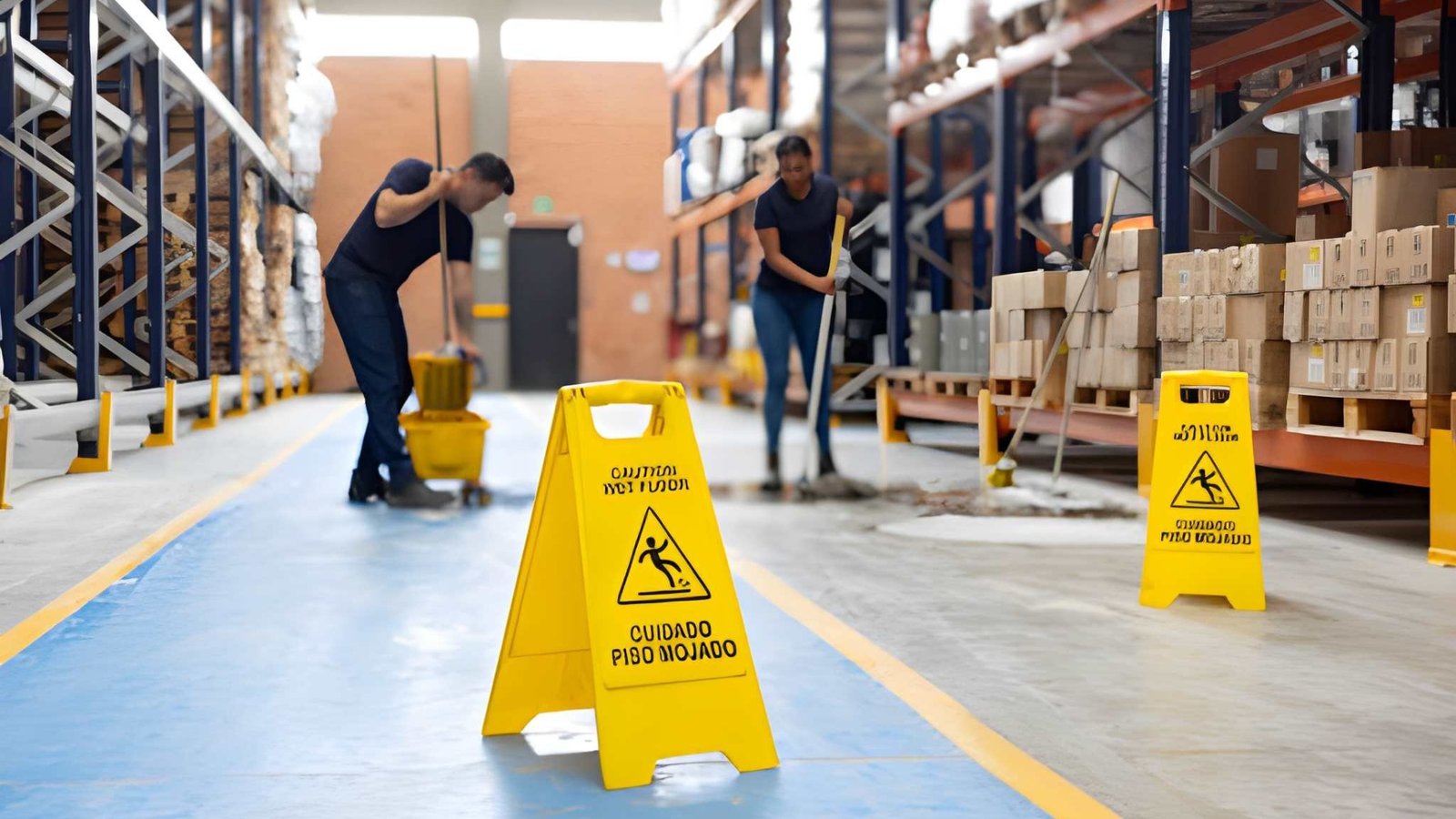
Selecting commercial cleaning services represents a significant business decision affecting your workplace environment, employee health, customer perceptions, and operational budget. For North Brunswick businesses, asking the right questions before committing to a cleaning provider prevents costly mistakes, ensures appropriate service quality, and establishes partnerships delivering long-term value. Too many business owners sign contracts based solely on price comparisons or superficial impressions, only to discover service gaps, quality inconsistencies, or liability exposures that far exceed any initial savings. This comprehensive guide provides the essential questions North Brunswick business owners must ask prospective cleaning companies—covering insurance and credentials, service scope and quality assurance, operational details, pricing transparency, and industry-specific expertise—ensuring informed decisions that protect your investment and support your business success.
Quick Answer: Critical Questions Before Hiring
These essential questions address the most important decision factors:
Insurance and credentials:
- What insurance coverage do you carry, and can you provide certificates?
- Are all employees covered by workers’ compensation?
- Are you bonded? What’s the coverage amount?
- What professional certifications or training do you maintain?
Service quality and scope:
- What exactly is included in your standard cleaning service?
- How do you ensure consistent quality across all visits?
- What products and equipment do you use?
- Can you customize services to our specific needs?
Operational details:
- How do you handle employee background checks and training?
- What happens if our regular cleaner is unavailable?
- How do we communicate issues or special requests?
- What’s your emergency response capability?
Pricing and contracts:
- How is pricing determined, and what’s included?
- What are the contract terms and cancellation policies?
- Are there any additional fees or charges we should know about?
- How do you handle price adjustments over time?
References and reputation:
- Can you provide references from similar North Brunswick businesses?
- How long have you been serving this area?
- What happens if we’re not satisfied with the service?
Thorough questioning in these areas reveals company professionalism, operational quality, and suitability for your specific needs.
Insurance and Legal Compliance Questions
General Liability Insurance
Question 1: “What general liability insurance coverage do you carry, and can you provide a current certificate of insurance?”
Why this matters: General liability insurance protects your business if cleaning services cause property damage, customer injury, or business interruption. Without adequate coverage, your business assumes financial responsibility for accidents or damage occurring during cleaning.
What to look for:
- Minimum $1 million coverage ($2 million+ preferred for larger facilities)
- Current, valid policy without lapses
- Coverage specifically for commercial cleaning operations
- Willingness to provide certificate naming your business as additional insured
Red flags:
- Inability or reluctance to provide insurance certificate
- Coverage amounts below $1 million
- Expired or soon-to-expire policies
- Vague responses or promises to “get that to you later”
Follow-up: Request that the insurance company send the certificate directly to you, confirming coverage validity and preventing fraudulent documentation.
Question 2: “Are all your employees covered by workers’ compensation insurance?”
Why this matters: New Jersey requires workers’ compensation for cleaning companies with employees. Without it, your business could be held liable if a cleaner is injured on your property—potentially costing tens of thousands in medical bills and lost wages.
What to look for:
- Clear confirmation that all workers are covered
- Certificate of workers’ compensation insurance
- Direct coverage (not independent contractor arrangements avoiding responsibility)
- Understanding that this protects YOUR business, not just theirs
Red flags:
- Claims that workers are “independent contractors” (often misclassification avoiding legal obligations)
- Vague responses about coverage
- Inability to provide workers’ comp certificate
- Suggestions that you don’t need to worry about this
Follow-up: Verify the certificate directly with the insurance carrier. Confirm that coverage includes all workers who might service your facility.
Question 3: “Are you bonded, and what’s the bonding amount?”
Why this matters: Bonding protects against employee theft or dishonest acts. Since cleaners have after-hours access to your facility, bonding provides financial protection if theft occurs.
What to look for:
- Bonding appropriate to company size (typically $50,000-$500,000)
- Fidelity bond or employee dishonesty coverage
- Clear claims process if issues arise
- Written documentation of bonding
Red flags:
- No bonding for a company with multiple employees
- Inadequate bonding amounts for the access they’ll have
- Unclear or evasive responses about bonding status
Follow-up: Ask about the claims process and what documentation would be required if a theft occurred.
Professional Credentials
Question 4: “What professional certifications, training, or industry affiliations do you maintain?”
Why this matters: Certifications indicate commitment to professional standards, ongoing education, and industry best practices. They differentiate serious professionals from companies taking shortcuts.
What to look for:
- ISSA (International Sanitary Supply Association) membership or certification
- CIMS (Cleaning Industry Management Standard) certification
- IICRC (carpet and upholstery cleaning) certification
- Green cleaning certifications (Green Seal, LEED)
- Industry-specific training relevant to your business type
Red flags:
- No certifications or professional affiliations
- Dismissive attitude toward professional development
- Claims that certifications “don’t matter”
Follow-up: Ask how certifications influence their service delivery and what ongoing training employees receive.
Question 5: “How do you screen and train employees?”
Why this matters: Employee quality determines service quality and security. Background checks protect your business from theft or security risks. Training ensures proper cleaning techniques and professionalism.
What to look for:
- Criminal background checks for all employees with facility access
- Reference verification before hiring
- Comprehensive training programs for new employees
- Ongoing education and skill development
- Clear employee standards and expectations
Red flags:
- No background checks or screening
- Minimal or no formal training
- High employee turnover indicating poor management
- Vague or evasive responses about hiring practices
Follow-up: Ask about employee retention rates and what their training program includes specifically.
Service Scope and Quality Questions
Understanding What’s Included
Question 6: “What exactly is included in your standard cleaning service, and can you provide a detailed written scope?”
Why this matters: “Commercial cleaning” means different things to different companies. Without detailed written scope, you may discover critical services aren’t included, leading to disputes and inadequate facility care.
What to look for:
- Comprehensive written list of included tasks
- Clear specification of cleaning frequencies (daily, weekly, monthly)
- Area-by-area breakdown (offices, restrooms, kitchens, common areas)
- Explicit inclusion of items important to you
- Honest discussion of what’s NOT included
Red flags:
- Vague descriptions like “general office cleaning”
- Reluctance to provide written specifications
- Overly broad promises without details
- Significant discrepancies between verbal promises and written proposals
Follow-up: Compare detailed scopes from multiple providers to understand market standards and identify any significant gaps.
Question 7: “What cleaning products and equipment do you use?”
Why this matters: Products and equipment directly affect results, safety, and environmental impact. The right choices protect your surfaces, support employee health, and deliver quality results.
What to look for:
- HEPA-filtered commercial vacuum systems
- Material-specific cleaning products appropriate for your surfaces
- EPA-registered disinfectants for sanitization
- Green cleaning options if environmental responsibility matters
- Professional-grade equipment (auto-scrubbers, extractors, etc.) for specialized tasks
Red flags:
- Consumer-grade equipment inadequate for commercial use
- Inability to specify products used
- One-size-fits-all approach regardless of surface types
- No green options available despite growing demand
Follow-up: Ask if they can customize product selection based on your preferences or needs (fragrance-free, green-certified, etc.).
Question 8: “How do you handle our specific surfaces and materials?”
Why this matters: Different materials require different care. Improper products or methods can permanently damage expensive flooring, countertops, or fixtures.
What to look for:
- Questions about YOUR specific materials during assessment
- Material-specific cleaning approaches (natural stone, hardwood, VCT, etc.)
- Knowledge of appropriate products and methods for your surfaces
- Recognition that different areas require different care
Red flags:
- No questions about your specific materials
- Claims that all surfaces cleaned the same way
- Lack of knowledge about material-appropriate care
- Generic approaches regardless of surface types
Follow-up: Describe your most expensive or delicate surfaces and ask specifically how they’ll be cleaned and protected.
Quality Assurance and Consistency
Question 9: “How do you ensure consistent quality across all visits?”
Why this matters: Initial cleanings often impress, but consistency over months and years determines actual value. Quality assurance systems separate professional services from those that gradually decline.
What to look for:
- Systematic processes and cleaning checklists
- Regular supervisory inspections (weekly, bi-weekly, monthly)
- Quality documentation and tracking
- Proactive issue identification before you notice problems
- Defined quality standards and measurements
Red flags:
- No formal quality assurance processes
- Reactive approach addressing only client complaints
- Lack of supervision or oversight
- Inability to explain how consistency is maintained
Follow-up: Ask how often supervisors inspect your facility and what happens if quality issues are identified.
Question 10: “What happens if we’re not satisfied with the cleaning quality?”
Why this matters: Service recovery processes reveal company commitment to satisfaction. How they handle problems matters as much as preventing them.
What to look for:
- Clear satisfaction guarantee or service commitment
- Defined process for reporting concerns
- Rapid response timeline (24-48 hours typical)
- Willingness to re-clean or address issues at no charge
- Proactive communication and problem-solving approach
Red flags:
- No satisfaction guarantee
- Defensive or dismissive attitude about potential issues
- Complicated complaint processes
- Charges for addressing quality concerns
Follow-up: Ask for examples of how they’ve handled service issues with other clients and what resolution looked like.
Question 11: “Who will be our primary contact, and how do we communicate with you?”
Why this matters: Communication quality affects relationship success. Clear contacts and processes prevent frustration and enable efficient issue resolution.
What to look for:
- Named account manager or primary contact
- Multiple communication channels (phone, email, text, app)
- Response time commitments
- Regular check-in schedule beyond problem-solving
- Clear escalation path for urgent issues
Red flags:
- No assigned contact person
- Limited communication options
- Vague response time commitments
- Reluctance to provide direct contact information
Follow-up: Ask if they use any technology platforms for communication, service tracking, or quality documentation.
Operational and Staffing Questions
Team Structure and Reliability
Question 12: “Will we have a consistent cleaning team, and what happens if our regular cleaner is unavailable?”
Why this matters: Consistent teams build facility familiarity, improve quality, and support security. Backup systems prevent service gaps when individual cleaners are unavailable.
What to look for:
- Dedicated teams assigned to your facility
- Cross-training enabling coverage during absences
- Advance notice of team changes when possible
- Sufficient staffing preventing service gaps
- Low employee turnover indicating stability
Red flags:
- Constantly rotating different cleaners
- No backup plan for absences
- High employee turnover (new faces every month)
- Service disruptions when individuals call out
Follow-up: Ask about their employee retention rate and average tenure of cleaners.
Question 13: “How many people will be cleaning our facility, and how long will it take?”
Why this matters: Adequate staffing ensures thorough cleaning within appropriate timeframes. Under-staffing leads to rushed work and quality shortcuts.
What to look for:
- Staffing levels appropriate to your facility size
- Realistic time estimates for thorough cleaning
- Consistency in team size (not varying wildly between visits)
- Willingness to adjust staffing if needed
Red flags:
- Unrealistically short time estimates
- Single cleaner for large facilities
- Staffing that seems inadequate for scope
- Refusal to discuss time allocations
Follow-up: Compare staffing and time estimates across multiple proposals to identify outliers that may indicate corner-cutting.
Scheduling and Access
Question 14: “When will cleaning occur, and how do you handle facility access and security?”
Why this matters: Scheduling affects business operations and employee comfort. Security protocols protect your facility during after-hours access.
What to look for:
- Flexible scheduling accommodating your business hours
- Clear understanding of your access requirements
- Security protocols (alarm systems, key control, building security coordination)
- Employee identification requirements
- Secure key/code management systems
Red flags:
- Inflexible scheduling forcing you to adapt
- Casual approach to security and access
- No key control or tracking system
- Lack of employee identification
Follow-up: Ask about their key management system and what happens if keys are lost or employees leave the company.
Question 15: “What happens if we need additional cleaning for special events or unexpected situations?”
Why this matters: Business needs fluctuate. Emergency response capability and flexibility for special requests add significant value.
What to look for:
- Emergency cleaning availability
- Special event cleaning services
- Reasonable response times for urgent requests
- Clear pricing for additional services
- Willingness to accommodate special needs
Red flags:
- No emergency or special service capability
- Excessive charges for any variation
- Inflexible “take it or leave it” approach
- Long lead times for any changes
Follow-up: Ask about their typical response time for emergency requests and how additional services are priced.
Pricing and Contract Questions
Understanding Costs
Question 16: “How is your pricing determined, and what exactly does it include?”
Why this matters: Pricing transparency prevents surprises and enables accurate comparisons. Understanding what’s included versus additional cost is essential.
What to look for:
- Clear pricing methodology (square footage, contract, hourly)
- Detailed breakdown of what’s included
- Specification of what costs extra
- All-inclusive pricing versus base price plus fees
- Written pricing documentation
Red flags:
- Vague or confusing pricing explanations
- Reluctance to provide written quotes
- Significant hidden fees or surcharges
- Pricing that seems too good to be true (usually is)
Follow-up: Ask for itemized breakdown showing base service cost versus any additional fees, supplies, or surcharges.
Question 17: “Are cleaning supplies included, or do we need to provide them?”
Why this matters: Supply responsibility affects total cost. Some companies include supplies; others charge separately or require client provision.
What to look for:
- Clear specification of supply responsibility
- If company provides: confirmation that it’s included in quoted price
- If you provide: list of required supplies and quantities
- Quality standards for supplies if you’re providing them
Red flags:
- Unclear or inconsistent explanations
- Supply charges not mentioned until after signing
- Expectation that you provide commercial-grade supplies (often unrealistic)
Follow-up: If they provide supplies, ask if there’s a markup or if it’s included at cost.
Question 18: “What are your contract terms, and what’s your cancellation policy?”
Why this matters: Contract terms affect flexibility and long-term commitment. Understanding cancellation policies prevents being locked into unsatisfactory service.
What to look for:
- Reasonable contract length (annual contracts common, month-to-month available)
- Clear cancellation notice requirements (30 days typical)
- No excessive early termination penalties
- Automatic renewal terms and notification requirements
- Trial periods or satisfaction guarantees
Red flags:
- Very long contracts (2+ years) with high penalties
- Automatic renewal without adequate notice
- Inability to cancel despite quality issues
- Vague or contradictory contract terms
Follow-up: Ask if they offer a trial period (30-90 days) to evaluate service before long-term commitment.
Question 19: “How do you handle price increases, and how much notice will we receive?”
Why this matters: Costs typically increase over time. Understanding adjustment mechanisms prevents budget surprises.
What to look for:
- Price guarantees for contract period
- Clear notice requirements before increases (60-90 days typical)
- Reasonable increase expectations (tied to inflation or cost indices)
- Ability to renegotiate or cancel if increases are excessive
Red flags:
- No price guarantees or protections
- Authority to increase prices without notice
- Excessive or arbitrary increase history
- Reluctance to discuss price adjustment policies
Follow-up: Ask about their price increase history with existing clients to understand what to expect.
Question 20: “Are there any additional fees or charges we should know about?”
Why this matters: Hidden fees inflate total cost. Transparency about all potential charges enables accurate budgeting.
What to look for:
- Honest disclosure of all potential additional costs
- Clear explanation of what triggers additional charges
- Written documentation of fee structure
- Competitive pricing for additional services
Potential additional charges:
- Special event cleaning
- Emergency or rush services
- After-hours or weekend premiums
- Supply surcharges
- Equipment rental for specialized tasks
- Seasonal adjustments
Red flags:
- Discovery of fees not mentioned initially
- Excessive charges for minor variations
- Nickel-and-diming for every small request
- Unclear or inconsistent fee explanations
Follow-up: Request written documentation of all potential fees and charges beyond base contract price.
Industry-Specific and Specialized Questions
For Medical and Healthcare Facilities
Question 21: “What experience do you have with medical facilities, and what infection control training do your employees receive?”
Why this matters: Healthcare facilities require specialized cleaning protocols, EPA-registered disinfectants, HIPAA awareness, and infection control knowledge.
What to look for:
- Specific healthcare facility experience
- Bloodborne pathogen training for all staff
- EPA-registered healthcare disinfectants
- Color-coded microfiber systems preventing cross-contamination
- HIPAA compliance training and awareness
- Understanding of medical waste handling
Red flags:
- No healthcare experience
- Generic cleaning approach regardless of facility type
- Lack of infection control knowledge
- Unfamiliarity with healthcare regulations
Follow-up: Ask for references from other North Brunswick area medical or dental practices.
For Food Service Facilities
Question 22: “Are you familiar with health department requirements for food service cleaning?”
Why this matters: Restaurants and food service businesses face strict health codes. Violations can result in closures and failed inspections.
What to look for:
- Food service facility experience
- Knowledge of local health department requirements
- Food-safe cleaning products
- Understanding of sanitation standards
- Documentation practices supporting inspections
Red flags:
- No food service experience
- Unfamiliarity with health codes
- Standard products inappropriate for food contact surfaces
- Casual approach to food service regulations
Follow-up: Ask if they’ve had clients pass health inspections and if they provide cleaning documentation supporting compliance.
For Retail and Customer-Facing Businesses
Question 23: “How do you handle cleaning in customer-facing environments, and what’s your approach to minimizing disruption?”
Why this matters: Retail businesses need cleaning that doesn’t disrupt customers while maintaining appearance during business hours.
What to look for:
- Retail environment experience
- Flexible scheduling (after-hours, early morning, split schedules)
- Understanding of customer-facing area priorities
- Professional appearance and customer interaction training
- High-traffic area management
Red flags:
- No retail experience
- Inflexible scheduling unsuitable for retail hours
- No understanding of customer impact
- Unprofessional appearance or behavior
Follow-up: Ask how they balance thorough cleaning with customer experience in active retail environments.
References and Reputation Questions
Verifying Track Record
Question 24: “Can you provide references from businesses similar to ours in the North Brunswick area?”
Why this matters: References from similar businesses validate capabilities and reveal actual service quality beyond sales promises.
What to look for:
- Willingness to provide multiple references (minimum 3-5)
- References from similar business types and sizes
- Current, long-term clients (2+ years indicating satisfaction)
- Local North Brunswick or nearby references familiar with the area
Red flags:
- Reluctance to provide references
- Only offering cherry-picked testimonials without contact information
- No references from similar business types
- Only new clients (suggesting retention problems)
Follow-up questions for references:
- How long have you used this company?
- What are their greatest strengths and weaknesses?
- How do they handle issues or concerns?
- Would you recommend them? Why or why not?
- What should we know before hiring them?
Question 25: “How long have you been in business, and do you have an established presence in North Brunswick?”
Why this matters: Company longevity and local presence indicate stability and market knowledge. Established providers understand North Brunswick business expectations.
What to look for:
- 3+ years in business (preferably 5-10+)
- Established North Brunswick client base
- Local office or service area
- Track record of business growth
- Long-term employee retention
Red flags:
- Very new business (under 2 years) with limited track record
- No local presence or North Brunswick experience
- Frequent business name changes or restructuring
- High client turnover
Follow-up: Ask about their growth trajectory and long-term business plans in the area.
Question 26: “Can we see online reviews, and how do you handle negative feedback?”
Why this matters: Online reputation reveals consistent patterns beyond individual references. Response to negative feedback shows professionalism and accountability.
What to look for:
- Overall positive online reputation (Google, Yelp, BBB)
- Professional responses to both positive and negative reviews
- Constructive problem-solving in response to complaints
- Pattern of resolved issues versus ongoing problems
- Reasonable overall rating (4.0+ stars realistic for established companies)
Red flags:
- No online presence or reviews
- Pattern of similar negative complaints
- Defensive or unprofessional responses to criticism
- Unresolved complaints or ongoing issues
Follow-up: Search independently online rather than relying solely on company-provided review links.
Questions About Service Philosophy and Partnership
Understanding Company Culture
Question 27: “What makes your company different from other commercial cleaning services?”
Why this matters: This open-ended question reveals priorities, values, and what the company emphasizes in service delivery.
What to look for:
- Specific, concrete differentiators (not just marketing language)
- Focus on quality, training, customer service, or specialization
- Authentic passion for their work
- Clear value proposition aligned with your needs
- Realistic rather than exaggerated claims
Red flags:
- Generic responses applicable to any cleaning company
- Focus solely on low price
- Inability to articulate unique value
- Overly salesy responses without substance
Follow-up: Ask for specific examples demonstrating their claimed differences.
Question 28: “How do you approach continuous improvement and staying current with industry best practices?”
Why this matters: The cleaning industry evolves with new products, equipment, methods, and standards. Progressive companies invest in ongoing improvement.
What to look for:
- Investment in new equipment and technology
- Ongoing employee training programs
- Industry association participation
- Adoption of new methods and best practices
- Client feedback integration into service improvement
Red flags:
- “We’ve always done it this way” mentality
- No investment in improvement or innovation
- Dismissive attitude toward industry developments
- Stagnant approaches unchanged for years
Follow-up: Ask about recent changes or improvements they’ve implemented in their service delivery.
Question 29: “What are your environmental and sustainability practices?”
Why this matters: For businesses valuing environmental responsibility, green cleaning practices align operations with corporate values.
What to look for:
- Green cleaning product options (EPA Safer Choice, Green Seal certified)
- Microfiber and reusable materials reducing waste
- Water and energy conservation practices
- Waste reduction and recycling programs
- Third-party green certifications
Red flags:
- No green options available
- Dismissive attitude toward environmental concerns
- Greenwashing (environmental claims without substance)
- Reluctance to discuss sustainability practices
Follow-up: Ask what percentage of their clients choose green cleaning and what specific products they use.
Question 30: “How do you measure client satisfaction, and what’s your retention rate?”
Why this matters: High client retention indicates consistent satisfaction. Companies tracking satisfaction demonstrate commitment to service quality.
What to look for:
- Regular satisfaction surveys or feedback collection
- High client retention rates (80%+ annual retention)
- Long-term client relationships (average 3-5+ years)
- Proactive satisfaction monitoring beyond complaint response
- Use of client feedback for improvement
Red flags:
- No satisfaction measurement
- High client turnover or short average relationships
- Reactive approach addressing only complaints
- Inability or unwillingness to share retention statistics
Follow-up: Ask what their average client relationship length is and what percentage of clients renew annually.
Making Your Final Decision
Comparative Evaluation
After gathering answers from multiple providers:
Create comparison matrix:
- List all candidates (typically 3-5 finalists)
- Rate each on key criteria (insurance, experience, quality assurance, pricing, etc.)
- Weight factors by importance to your business
- Calculate overall scores
Look for patterns:
- Consistent answers suggesting industry standards
- Outliers (extremely high or low pricing, unusual terms)
- Alignment between promises and written documentation
- Professionalism throughout evaluation process
Trust your instincts:
- Do you feel comfortable with this company?
- Do they seem trustworthy and professional?
- Would you be confident with them accessing your facility?
- Does communication style match your preferences?
Conduct final verification:
- Check all insurance certificates directly with carriers
- Call provided references and ask thorough questions
- Review online reputation independently
- Verify any claimed certifications or credentials
Trial Period Consideration
Question 31: “Do you offer a trial period to evaluate service before long-term commitment?”
Many quality providers offer 30-90 day trial periods allowing real-world evaluation before committing to annual contracts. This reduces risk and demonstrates provider confidence in their service quality.
Making the Smart Choice for Your North Brunswick Business
Asking comprehensive questions before hiring commercial cleaners protects your business from inadequate service, liability risks, and wasted resources. The time invested in thorough evaluation pays dividends through:
- Appropriate insurance protecting against liability exposure
- Verified expertise delivering consistent quality results
- Clear service scope preventing misunderstandings
- Transparent pricing enabling accurate budgeting
- Established quality assurance supporting satisfaction
- Professional partnership aligned with your business needs
North Brunswick businesses deserve commercial cleaning partners bringing genuine expertise, appropriate credentials, systematic quality, and professional service supporting long-term success—not just the lowest price or convenient scheduling.
At Brilliant Image Cleaning, we welcome comprehensive questions from prospective clients. Our transparency about insurance, credentials, service scope, quality processes, and pricing reflects our confidence in delivering exceptional commercial cleaning in North Brunswick.
We encourage North Brunswick business owners to ask every question outlined in this guide—and any others important to your specific situation. Informed decisions based on thorough evaluation lead to successful cleaning partnerships supporting your business for years to come.
Contact Brilliant Image Cleaning today for answers to all your questions and a detailed proposal demonstrating why North Brunswick businesses trust us as their commercial cleaning partner.
Why Choose Brilliant Image Cleaning?
Trusted by businesses and homeowners across New Jersey for 20 years
Fully Insured & Bonded
Complete peace of mind — our team is fully insured and bonded for every job.
20 Years of Excellence
Serving New Jersey since June 2006 with a proven track record of spotless results.
4.8-Star Rated
Consistently top-rated on Google Reviews by satisfied clients across NJ.
Free Custom Quotes
Get a tailored cleaning plan and transparent pricing — no hidden fees, ever.
Flexible Scheduling
We work around your hours — daily, weekly, monthly, or one-time deep cleans.
Eco-Friendly Products
Safe, green cleaning solutions that protect your space, your team, and the environment.